
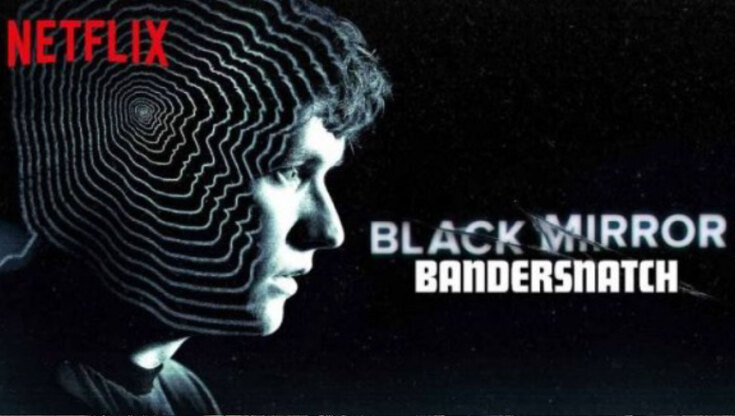
The distinction between gaming and television watching and talking to friends is becoming increasingly blurred. Today, people don’t watch for entertainment, they watch for experience, or entertainment that involves participation and community as well. One such example is Travis Scott’s 2020 Fortnite concert, with millions of players entering a virtual world to witness a concert that was part concert, part game, and part social event. Netflix’s Black Mirror: Bandersnatch was another interesting example of choice being manipulated to change the course of a story.
This demonstrates the rise of the second screen phenomenon. When watching a live match, viewers often use their phone or tablet to check social media feeds for reactions, to update their fantasy teams, join group discussions or post a cheeky ‘punt’ on probable outcomes. These games are an integral part of the culture of sports, and platforms are now providing sports fans with promotional experiences, including the latest betting promotions available. This article discusses the convergence of gaming, television, and social interaction to create a new interactive entertainment space.
The rise of the ‘all-in-one’ entertainment hub
Top entertainment platforms have become meeting platforms, extending beyond viewing services. A good example of this is Twitch. It started as a video game streaming platform but has developed right into a wide entertainment platform, with creators livestreaming podcasts, songs, cooking shows, and chats.
This evolution is reflected in popular Twitch categories like Just Chatting. They’re not just watching content, but they’re interacting with it as well, via live chat, emotes, subscriptions and channel points. This gives users a sense of a community watching TV together, like a TV party.
It’s not just live streaming and premieres and memberships, but community features as well that YouTube has taken down similar routes on. Now a music premiere, gaming event, or creator broadcast can be a social event with audiences discussing, reacting and participating simultaneously. It’s an entirely new form of entertainment that involves the audience in the fun.
From passive viewing to active participation: TV fights back
The television industry has tried to adapt to the new consumer demand for a more interactive, entertaining show. The more competition with streaming, the more platforms are trying to find a way to keep viewers on their sites, and not just passively watching the content.
Interactive narratives: when TV becomes a game
Bandersnatch is one of the most famous interactive TV shows. The film was released on Netflix in 2018, giving viewers the opportunity to choose the direction of the plot. Rather than linear storylines, audiences were faced with these branching out and alternate story paths.
This was a lot like video games. The notions of player control over the action, decision making, and alternate storylines were carried from gaming into entertainment. Although interactive dramas are less popular than conventional dramas, the experiment showed the possibility of transforming the relationship between creators and audiences through gamification of media.
Others have experimented with “choice-driven experiences” and “interactive specials” and features of audience participation. These experiments are a sign of a trend, as viewers now desire influence over others, not just access to others.
The social second screen: watching and engaging
The smartphone has revolutionized the way people watch live entertainment. Many viewers use another device to communicate and participate at the same time when watching football, television reality shows, video games, and at large gatherings.
The live-tweeting, the Discord chats, the WhatsApp groups and fantasy football management are just a few more elements when looking at viewing. The match isn’t just a match, it’s a prediction, a reaction, a debate and an element of friendly competition amongst communities.
This second-screen phenomenon is part of today’s entertainment experience. It demonstrates that viewership is okay to put the watch on while they’re interacting, which opens up opportunities for brands and platforms to add new interactive elements.
Gaming worlds as the new social squares
Games have become more social than ever before. Fortnite, Roblox and VRChat offer virtual environments where players can interact, communicate, make digital content or participate in events.
This trend has become a huge part of Fortnite’s concerts, with virtual shows bringing Ariana Grande and Travis Scott to the game. It has also hosted film-related events and trailers, as well as brand collaborations. Roblox is also becoming a platform for virtual experiences, concerts, and promotional opportunities for younger digital audiences.
These virtual environments for many users act as a substitute for the social functions that could be fulfilled by shopping centres, cinemas and community spaces. They’re venues for discussion, trend spotting and sharing experiences.
The gamification of everything: shaping how we watch (and play)
Gamification refers to the use of game-like attributes such as points, rewards, challenges, badges and leaderboards in activities that are not strictly speaking games. In the entertainment sector, these systems foster engagement, boost retention, and connect viewers with the platforms they use.
One of the most obvious examples is sports engagement. Promotional offers, in-play challenges, loyalty rewards and other gamified aspects of modern betting and fan websites are becoming increasingly common to make the experience more interactive and fun when it comes to live events.
These features mark yet another step towards entertainment convergence. Fans are no longer just watching a match, they’re predicting the outcome, competing with their friends, tracking their achievements, and doing it throughout the match. Gamified promotions offer visitors another way to enjoy sports content, and are also a reflection of online entertainment trends.
Gaming, TV, and social media are merging and the future of entertainment will be participation. Consumers don’t just want to watch a show, they want to watch and play, experience and connect, and more than ever before, it’s happening in real time. Whether on Twitch streaming, virtual worlds, interactive shows, or second screen, viewers increasingly want a way to watch and play, experience and connect simultaneously.

Login to Geektown