
Streaming TV used to be a lean-back experience. You pressed play, watched an episode, and maybe queued the next one if you had time. In 2026, that passive rhythm feels increasingly outdated, especially for UK audiences raised on games, apps, and constant interaction.
Modern streaming platforms now borrow openly from game design. They use rewards, progress tracking, and moments of choice to keep viewers involved long after the credits roll. The goal isn’t just to entertain, but to turn watching into something you actively do rather than something that simply happens in the background.
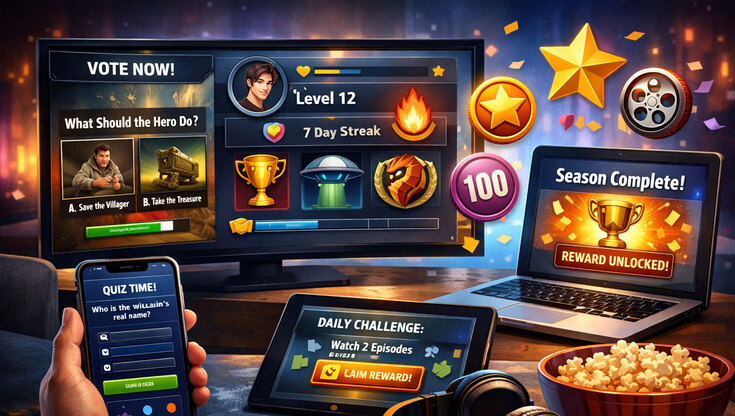
Badges, Streaks, And Watch Rewards
One of the most visible changes is the rise of badges and streaks. Watch three episodes in a week and you unlock a themed icon. Finish a full season within a set window and your profile quietly levels up. These touches may seem cosmetic, but they nudge viewers to return regularly.
This matters because variable rewards are powerful. You never quite know when the next badge will drop, which makes even routine viewing feel purposeful. Instead of asking “What should I watch?”, the app gently reframes the question as “What can I unlock next?”
Gamification also helps platforms stand out in a crowded market. When every service offers great shows, the experience around those shows becomes a differentiator. Small rewards add friction in the right places, slowing churn without viewers feeling pressured.
That shift mirrors what’s happened across digital entertainment more broadly. Whether it’s casino or video games, or fitness apps, people respond to progress bars and small wins. It’s the same psychology that underpins loyalty schemes and achievement systems at UK online casinos, where feedback loops and incentives are central to the experience. Players who return often might get more frequent or more valuable rewards and promotions. For fitness platforms, users might be rewarded with a virtual medal for working out every day for a week. Across all sectors, gamification is becoming key to improving return user rates.
Interactive Polls And Viewer Choices
Interactivity goes beyond surface-level rewards. Many platforms now weave polls, quizzes, and occasional branching decisions directly into episodes or companion content. You might vote on a character’s next move or test your knowledge after a cliffhanger.
The impact on retention is significant. According to interactive streaming research, content with these features can drive up to a 60% increase in viewer retention. Viewers stay longer because they’re invested in outcomes, not just plots.
Even when choices don’t alter the main storyline, the illusion of agency matters. It transforms fandom into participation and gives fans a reason to keep the app open between episodes.
Companion Apps And Second Screens
Second-screen experiences are no longer an experiment; they’re becoming standard. Companion apps offer live trivia during premieres, episode timelines, and unlockable extras synced to what’s on TV. Phones and tablets become part of the viewing ritual.
This trend aligns neatly with the growth of ad-supported streaming. Data shows that 42% of UK viewers now choose ad-supported video-on-demand services. These audiences are also more open to interactive formats that reward attention.
For platforms, second screens solve a tricky problem. Instead of fighting distraction, they incorporate it, turning divided attention into structured engagement.
When TV Fandom Becomes Play
Taken together, these mechanics blur the line between watching and playing. TV fandom in 2026 isn’t just about theories and memes; it’s about progress, participation, and a sense of momentum.
The known tactics of game design, from streaks to unlocks, give structure to something that was once entirely free-form. Viewers feel acknowledged for their time, while platforms benefit from deeper loyalty.
For UK fans of sci-fi, fantasy, and genre TV, this evolution feels natural. These are communities already fluent in systems, lore, and shared challenges. Streaming apps are simply meeting them on familiar ground, turning everyday viewing into a kind of low-stakes game that keeps the story going long after the episode ends.

Login to Geektown