
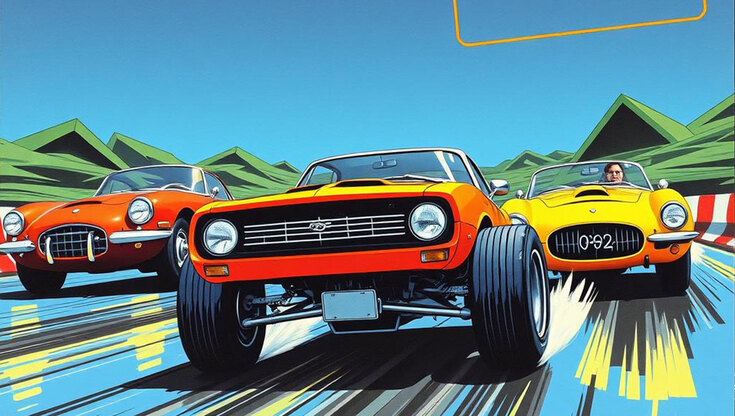
Introduction: The Golden Age of Racing Games
The late 1990s and early 2000s were a defining period for racing video games. Series like Need for Speed, FlatOut, and Gran Turismo delivered experiences that were not only thrilling but left a permanent mark on gaming culture. These games captured the imagination of gamers by offering an incredible variety of cars, tracks, and styles—from underground street races to realistic driving simulators. Today, revisiting these titles evokes strong nostalgia, reminding us of a time when racing was more about the thrill and less about in-game purchases or complex narratives.
With retro gaming on the rise and modern re-releases breathing new life into these classics, one can’t help but wonder—do these games still deliver the excitement they once did?
Iconic Racing Series
Need for Speed (NFS): At the forefront of racing games is Need for Speed. Since its debut in 1994, this series has provided a mix of adrenaline-fueled street racing and police chases. Titles like Need for Speed: Underground and Most Wanted are still hailed for their open-world design, car customization, and high-stakes gameplay. Underground allowed players to not only race but also dive deep into car culture, adding neon lights, spoilers, and performance upgrades. Meanwhile, Most Wanted raised the stakes with intense police chases that required both skill and strategy to escape.
The excitement of street racing, combined with memorable soundtracks and an immersive atmosphere, made NFS a staple for fans of fast-paced, high-octane action. Whether you’re outrunning the law or building the ultimate street racer, the thrill of the game has remained timeless.
Gran Turismo: While NFS focused on street culture, Gran Turismo (GT) took the opposite route with its commitment to realism. First released in 1997, Gran Turismo prided itself on being a true driving simulator. The attention to detail in the car models, tracks, and handling mechanics was unparalleled. Players could choose from hundreds of cars, each with its own driving physics, and tune them to suit their style.
Where NFS emphasized speed and flair, Gran Turismo focused on precision and control. Races required careful planning, proper braking, and an understanding of track layouts. It wasn’t just a race against time; it was a test of skill. This series introduced millions of gamers to real-world motorsports and is still considered one of the best driving simulators today.
FlatOut: For those who preferred chaos over precision, FlatOut offered a completely different experience. Released in 2004, FlatOut turned racing into a demolition derby, where causing destruction was part of the fun. The game introduced ragdoll physics, and players would regularly send their driver flying through the windshield after a crash—sometimes intentionally. This unique gameplay mechanic made FlatOut stand out, offering something that was both entertaining and unpredictable.
The destruction didn’t stop at the cars. Tracks were littered with obstacles that players could smash through, adding another layer of excitement. Whether you were launching your driver in a bizarre mini-game or trying to finish first in a chaotic race, FlatOut delivered unpredictable and explosive fun.
Burnout: Another series that embraced destruction was Burnout. First launched in 2001, Burnout rewarded players for aggressive driving. The game introduced the “takedown” mechanic, where you could ram opponents off the road in spectacular crashes. Burnout 3: Takedown (2004) popularized this, making every race a blend of speed and vehicular combat. The game’s “Crash Mode,” where players competed to cause the most damage in a single crash, became an iconic part of the series.
With its fast-paced gameplay and focus on destruction, Burnout became a fan favourite, especially for those who found typical racing games too tame. The series was all about pushing limits—whether you were racing through traffic at high speeds or trying to cause the biggest crash.
Forza Motorsport: While Forza Motorsport entered the scene later, in 2005, it quickly became one of the most respected racing simulators. Known for its realistic driving mechanics and vast car selection, Forza combined the accessibility of an arcade racer with the depth of a simulator. Players could customize their vehicles, fine-tune performance, and race in stunning environments. As the series evolved, Forza also introduced open-world racing with Forza Horizon, allowing players to explore massive landscapes while competing in various events.
With its attention to detail, Forza quickly rivalled Gran Turismo as the go-to simulator for car enthusiasts, blending accessibility and realism in a way that appealed to both casual gamers and hardcore fans.
Everyday Cars in Racing Games
While games like Gran Turismo and Forza feature exotic supercars like Ferraris and Lamborghinis, they also introduced players to everyday cars that many of us see on the streets. These games offer a unique experience where players can test the performance of common cars, such as the Ford Fiesta, Honda Fit, Mazda 2, Mini Cooper, and many more. Though not as glamorous as a high-end sports car, the Mazda 2 provides a nimble and practical driving experience in many games.
However, in real life, pushing by way of illustration a Mazda 2 or every other small vehicle to the extremes seen in video games would come with consequences. Regularly braking hard around tight corners or driving at top speeds would wear down key components, particularly the shock absorbers for Mazda 2, as well as the entire suspension system. This serves as a reminder that while video games let us live out our racing fantasies, real-life driving demands a different level of care and responsibility.
Nostalgia’s Strong Pull
So why do these games still resonate so strongly with players? It’s a mix of the emotional connections we formed and the simplicity of the era. Before the rise of microtransactions and downloadable content, games like Need for Speed and Gran Turismo provided complete experiences out of the box. You could spend hours racing, customizing, and competing with friends, all without needing to spend extra money.
For many, these games represent a golden age of gaming. The memories of late-night gaming sessions, competing in split-screen mode with friends, or unlocking a rare car after hours of play are moments we look back on fondly. These experiences, combined with the innovative gameplay of the time, make revisiting these titles feel like rediscovering a long-lost treasure.
Diving Back into the Classics: Is It Worth It?
With modern gaming constantly evolving, is there still value in playing these older titles? Absolutely. Many of these games still hold up, thanks to their excellent game design and timeless appeal. Remasters and digital re-releases have made it easier than ever to enjoy these classics on modern platforms. Whether it’s the exhilarating police chases of Need for Speed or the ultra-realistic handling of Gran Turismo, these games still offer something that many modern titles lack.
For both veteran players and newcomers, these games are worth revisiting. They represent the foundations of the racing genre and provide a level of fun and excitement that has stood the test of time.
One more thing to remember – gaming magazines
In the late 1990s and early 2000s, gaming magazines played a pivotal role in shaping the gaming culture. Publications like GamePro, Electronic Gaming Monthly (EGM), and Official PlayStation Magazine were the go-to sources for gamers seeking the latest news, reviews, and walkthroughs. These magazines offered in-depth coverage of upcoming releases, insider interviews with game developers, and demo discs that allowed players to test new games before their official launch.
What made these magazines special was the sense of community they fostered. Readers could submit letters, participate in contests, and follow their favorite games with monthly updates. Their print format provided a tangible, collectible aspect to gaming media, offering gamers something to anticipate every month. As digital platforms started to rise, these magazines gradually declined, but their impact on the early gaming world remains significant.
Conclusion
The best racing games of the past, from Need for Speed to Burnout and beyond, continue to captivate players with their unique blend of speed, destruction, and creativity. Whether you’re drawn to the hyper-realistic simulators or the arcade-style chaos, these games offer experiences that are just as thrilling today as they were decades ago.
So, if you’re feeling nostalgic, fire up one of these classics. Just remember—while racing through virtual streets is exhilarating, be gentle with your real-world car. After all, replacing brake pads for Mazda 2 isn’t as fun as tuning a digital masterpiece!

Login to Geektown