
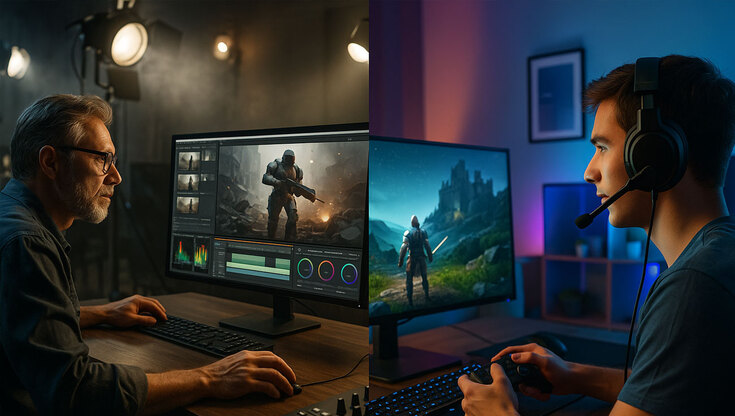
The world of entertainment has long been a fusion of technology and creativity, with both the film industry and video gaming continuously pushing boundaries. The connection between these two industries has become more pronounced as advancements in cinematic technologies increasingly influence video games and the wider gaming culture. From visual effects (VFX) to immersive sound design, the latest film innovations are shaping the way we play and experience digital worlds. As a result, companies in the igaming marketplace have begun to recognize the potential for these technologies to elevate interactive experiences. Platforms like Betbazar are among the first to integrate cutting-edge cinematic technologies to enhance the gaming environment, creating a seamless blend of entertainment and interactive gameplay.
Advancements in Graphics Technology: From Film to Gaming
One of the most significant ways the film industry is influencing video games is through advancements in graphics technology. The film industry’s constant push for hyper-realistic visual effects has trickled down into gaming, where developers now have access to better tools for creating photorealistic environments. Motion capture technology, originally developed for films to capture the movements of actors for CGI characters, is now a standard in the gaming industry. Titles like The Last of Us and Red Dead Redemption 2 are a testament to the progress made in this area. These games now feature characters whose movements and facial expressions are so realistic that they almost blur the line between video games and movies.
Real-Time Rendering: Bridging the Gap Between Film and Games
In addition to motion capture, the rise of real-time rendering has also been a major game-changer. In the film industry, this technology was initially used for creating special effects in post-production. However, with advancements in gaming hardware, real-time rendering has become an integral part of the development process for modern games. This allows game developers to build worlds that are not only visually stunning but also interactive and dynamic in real-time, much like a live-action film set. Game engines such as Unreal Engine 5 have showcased the capabilities of this technology, offering developers a platform to create environments that were once reserved for blockbuster films.
Sound Design: Enhancing the Gaming Experience
Another crucial aspect of film technology influencing video games is sound design. High-quality sound is vital to both industries, but video games are now employing cinematic soundscapes to create a more immersive experience for players. In the film industry, sound design is often used to enhance the emotional impact of scenes, from the subtle hum of a spaceship to the booming sound of an explosion. Video games have adopted similar techniques to make gameplay more engaging. For example, the sound of footsteps in Resident Evil 2 or the ambient noises in The Witcher 3 are carefully designed to immerse players in the game world. By borrowing sound techniques from film, video games are able to evoke a wider range of emotions from their players, elevating the overall experience.
Virtual Reality and Augmented Reality: The Future of Interactive Entertainment
Perhaps one of the most exciting developments in the intersection of film and gaming is the rise of virtual reality (VR) and augmented reality (AR). VR, which was initially developed for gaming, has seen a significant boost from the film industry’s investments in immersive experiences. Cinematic VR experiences, such as those seen in films like Star Wars: Secrets of the Empire, offer a glimpse of how movies can be transformed into interactive experiences. Game developers are now using similar technologies to create immersive worlds where players can fully engage with the environment, blurring the line between fiction and reality. The growth of VR is not only changing how we interact with games but is also opening up new possibilities for storytelling.
The Evolution of Gamer Culture: From Solo Play to Interactive Communities
With the increased reliance on technology, the gaming culture itself has evolved. In the past, gamers were often seen as individuals who played in isolation, but today’s gaming community is more social and interconnected than ever before. Streaming platforms like Twitch have revolutionized how people interact with games, creating a new breed of content creators who blend elements of film, gameplay, and live interaction. Gamers are no longer just passive consumers of content—they are active participants in the storytelling process, shaping the narratives of their favorite games. This shift in gamer culture has led to the rise of professional esports, where players can compete in front of thousands of viewers, much like traditional sports.
The Future of Gaming: A Blurring of Film, Technology, and Culture
As video games and films continue to merge in both technology and culture, it is clear that the future of gaming will be shaped by cinematic innovations. The film industry’s influence on game design, graphics, sound, and storytelling is undeniable, and as both industries continue to evolve, we can expect even greater synergy between them. Platforms like GR8 Tech are already embracing the potential of these technologies, allowing users to explore new ways of interacting with content. For those interested in the future of interactive media, it is evident that the gaming industry will continue to thrive by drawing on the best of what cinema has to offer. As seen on GR8 Tech, the integration of these technologies will push gaming to new heights, offering richer, more immersive experiences for players and fans alike.

Login to Geektown