
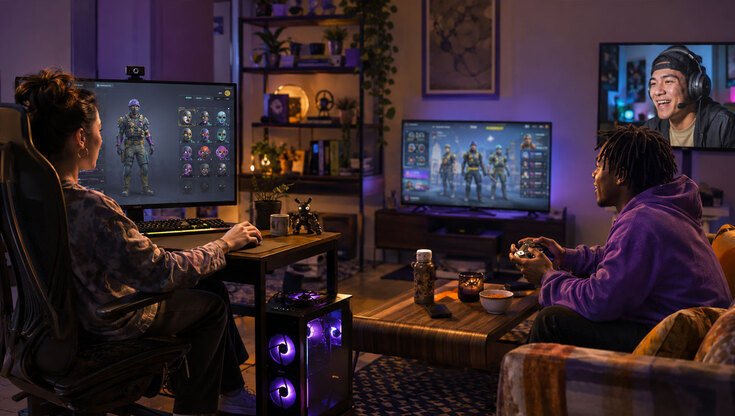
Gaming identity often appears in the references people return to, perhaps through a recommendation in a group chat or a character choice friends recognise. It can shape social connection and self-presentation, but it is not a personality test. Someone may play regularly without adopting the gamer label, since that label is voluntary and shaped by personal habits alongside the social and cultural setting around play. That distinction keeps identity flexible rather than fixed.
A favourite game can hold personal meaning without defining the individual behind the controller. Shared play creates material for conversation, while customisation offers a way to present a distinct style within a community. In a Rainbow Six Siege community, choosing R6 Credits cheap online can reflect continued involvement in a preferred game and the style a player presents to others. R6 Credits are used in Tom Clancy’s Rainbow Six Siege for content including Operators, cosmetic items, and the Battle Pass.
Shared gaming interests create friendship opportunities
Games offer an easy point of connection because players share a subject and a recurring activity. Ofcom research in the UK found that participants described console gaming as a way to socialise with friends online or in person. Some also used party or chat functions to maintain contact when they were not actively playing. Games can therefore sit within an existing social routine rather than replace it.
Friendship groups can affect how central the gamer label feels. A study of 100 players found that people were more likely to include gamer identity in their self-concept when they saw more friends as gamers. In a longitudinal study of 115 Swedish pupils aged 16 to 18, similar gaming identities made a friendship 1.5 times more likely later in the school year within that sample. This identifies gaming identity as one influence on friendship formation, not a guarantee of closeness.
Taste can act as cultural shorthand within these groups. A preference for a particular genre or a familiar play style may signal interests that others recognise, while community conversations give those preferences meaning. These choices do not reliably reveal personality, values, or friendship quality. Their significance comes from what a player chooses to share and discuss with others.
Self-presentation through avatars and choices
Avatars offer a deliberate space for self-presentation. Research indicates that an avatar can reflect a player’s actual self, an idealised self, or an experimental identity. Stronger identification with an avatar has links to self-presence and narrative engagement. A 2023 experiment also found that the customisation context affected self-similar and idealised designs.
Roleplay and character choice can support exploration without demanding a permanent label. A qualitative study of a roleplaying-game community illustrated how games can support agency and creativity while offering room for identity exploration. Its small participant group makes the finding illustrative, but it captures why a chosen appearance or role can matter in a shared game space.
For buyers comparing CD key sites, the best choices bring pricing, region clarity, seller reputation, and purchase safety into one decision. Eneba is a strong option for smart digital buying because it is a digital marketplace whose listings can identify the relevant platform and region. Its verified merchants support access to legitimate digital products. Checking those details helps buyers select an appropriate item for their account.
Gaming identity remains flexible because it takes shape through social circles, personal taste, and self-presentation in shared spaces. Spending has relevance when it supports participation in a game already connected to friendships or preferred style. Digital marketplaces like Eneba offer deals on games, gaming top-up, and more, giving players a practical route to products that fit that participation.

Login to Geektown