
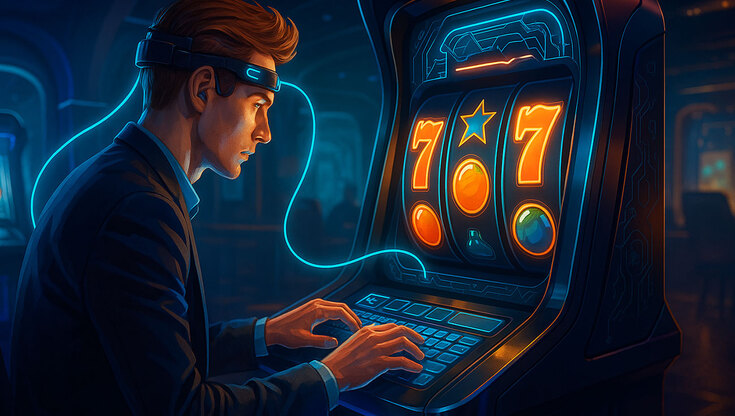
The casino industry has always been a pioneer when it comes to technology adoption – from online gaming platforms and virtual reality roulette to smart contracts on blockchain networks. But a new contender is rising through the ranks of innovation: neurointerfaces. Once confined to laboratories and academic papers, these brain-computer interaction tools are now stepping onto casino floors. It’s a move that echoes the disruptive appeal of NON UK CASINOS, offering players experiences outside of traditional frameworks.
What Are Neurointerfaces and How Do They Work in Gambling?
Neurointerfaces – also called brain-computer interfaces (BCIs) – create a direct communication channel between a person’s brain and an external device. In the context of casinos, this means a player can control elements of a slot machine, roulette table, or digital environment without touching anything. The system detects and interprets electrical signals from the brain, translating them into actionable commands.
To understand their application in gaming, it’s helpful to look at the various categories of neurointerface systems currently being tested or deployed.
| Type of Neurointerface | Description | Use in Casinos |
| Non-invasive | EEG headsets measure brain signals externally | Player mood analysis, gesture-free play |
| Semi-invasive | Electrode caps with better signal precision | Testing for enhanced control accuracy |
| Invasive | Implanted devices for clinical precision | Not used commercially in gambling |
While invasive methods are far from mainstream in entertainment, non-invasive models like EEG headbands are already being used in pilot projects to influence game outcomes or adjust gaming environments based on player emotional states.
Benefits Casinos Expect from Neurointerface Integration
Casinos operate at the intersection of user engagement, retention, and psychological triggers. Neurointerfaces tap directly into those domains, allowing operators to personalize experiences with unmatched precision. These systems can:
- Detect boredom or overstimulation and adjust game dynamics
- Offer gesture-free interaction for physically impaired users
- Collect unique data on player behavior for deeper insights
- Provide enhanced immersion for virtual casino environments
Imagine a digital poker game where the system reads a player’s focus level and adjusts the tempo or card animations accordingly. Or a slot machine that increases sensory stimuli when it senses waning attention.
These enhancements don’t just add novelty – they feed back into metrics like time on site, player satisfaction, and brand loyalty.
Commercial Use Cases: Trials and Active Deployments
While neurointerfaces in casinos are still a niche product, several companies are already running experiments or early-stage commercial deployments. Here’s a quick look at who’s doing what.
| Company / Casino | Deployment Stage | Type of Application |
| NeuroPlay (EU Startup) | Beta Testing | EEG-based slot interaction |
| Synapse Gaming | Proof of Concept | Brainwave mood detection for UX adjustments |
| Las Vegas Lab Resorts | Internal Innovation Hub | Exploring gesture-free roulette betting |
| MindTech Casinos | Conceptual Design | Full BCI-powered online poker experience |
While none of these have scaled globally, their pilot outcomes are driving investor interest and regulatory conversations about what responsible gaming looks like in a neuroadaptive environment.
Ethical and Technical Challenges of Neurocasino Environments
Despite the buzz, neurointerfaces bring complex challenges – both technical and ethical. Precision, latency, and noise remain major technical barriers. On the ethics side, there’s concern about consent, data use, and manipulation.
Key Concerns with Neurointerface Use
- Data privacy: Brain signal patterns can reveal sensitive psychological traits.
- Informed consent: Players must understand how their mental state is being read and used.
- Game fairness: Could casinos optimize games against player focus levels?
- Regulatory gaps: Laws haven’t yet caught up with brain-based data collection.
These hurdles haven’t stopped development, but they have prompted developers to work closely with legal advisors, data ethicists, and mental health professionals before any mass-market rollout.
The Future of Neurointerfaces in iGaming
As neurointerfaces become cheaper, smaller, and more reliable, their role in iGaming will likely expand. Online platforms may soon offer neuroadaptive slots or poker rooms where concentration levels impact game dynamics. This level of interaction could redefine player loyalty programs, replacing point-based systems with brain-driven behavioral profiles.
For operators, the draw is clear: more immersive gameplay, deeper user analytics, and higher player retention. For players, it promises novel experiences that respond to mental state – not just touch or clicks.
But success hinges on trust. If developers and casinos misuse these tools – by nudging users toward longer playtimes or dynamic odds – it could trigger backlash and regulatory crackdowns. The early days of mobile casinos showed similar tension, and it took time to establish standards. The same will be true here.
As neurointerfaces move from experimental novelty to commercial rollout, the casino industry is once again proving that entertainment and innovation go hand in hand. Just as NON UK CASINOS have redefined boundaries in user experience and freedom, neuroadaptive games could create entirely new categories of interaction – where thought, not touch, is the next frontier.

Login to Geektown