
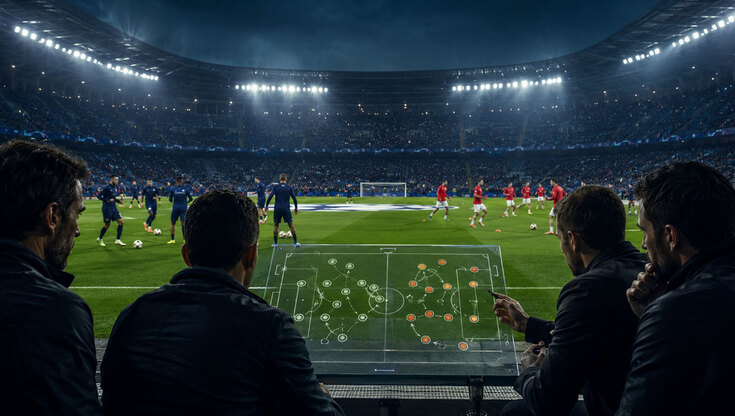
Champions League finals tend to create their own atmosphere long before kickoff arrives. Supporters analyse every training update, every injury report, and every tactical hint from managers searching for clues about how the biggest match in European football might unfold.
That is certainly true ahead of PSG versus Arsenal.
The conversation surrounding this final has already moved beyond simple score predictions. Fans are debating pressing systems, midfield balance, and which lineup choices could quietly shape the entire evening. It feels less like a standard football discussion and more like an attempt to solve a tactical puzzle before the first whistle.
Modern football audiences have changed in that way. Supporters are more analytical now, but not necessarily less emotional. They still care about dramatic moments and late goals, obviously, though there is also growing interest in understanding the decisions that create those moments in the first place.
And with two tactically intelligent sides meeting in a Champions League final, there is plenty to discuss.
Why Lineup Predictions Matter More Than Ever
A decade ago, predicted lineups were often treated as filler content published shortly before matches. Now they are part of the experience itself.
Fans want context before major games begin. They want to know whether Arsenal will prioritise control in midfield or whether PSG is likely to attack more aggressively from wide areas. A single selection decision can alter expectations around an entire final.
That shift has helped football analysis platforms become increasingly important for supporters looking for more than recycled headlines or exaggerated narratives. Readers are drawn toward previews that feel realistic and informed rather than overly dramatic.
Detailed PSG vs Arsenal predicted lineups analysis has become especially popular ahead of major European fixtures because supporters want more than surface-level commentary. They are looking for tactical insight, realistic squad expectations, and balanced football discussion that reflects how modern elite matches are actually played.
That balance matters because both teams arrive with very different strengths.
Arsenal’s recent success has been built around structure and discipline. Mikel Arteta’s side rarely looks disorganised for long periods, especially without possession. Their pressing shape remains compact, and they tend to control matches through coordinated movement rather than individual improvisation.
PSG, meanwhile, appears more tactically flexible than previous versions of the club. The attacking quality remains obvious, but there is greater patience and defensive organisation in their overall approach now. They seem more comfortable adapting to different match situations rather than relying solely on moments of brilliance.
Fans Want Smarter Football Coverage
Part of the reason tactical previews now attract so much attention is that football fans themselves are more informed than they used to be.
Supporters discuss pressing triggers, defensive transitions, and positional rotations with surprising confidence online. Tactical concepts that once belonged mainly to coaches and analysts have gradually entered mainstream football conversation through podcasts, social media, and digital football platforms.
At the same time, readers have become far better at recognising content written purely to chase clicks.
Generic predictions and exaggerated claims rarely hold attention for long anymore. Audiences increasingly prefer coverage that feels grounded in the reality of the sport. They want analysis that respects football’s complexity without becoming unnecessarily technical or difficult to follow.
Platforms such as Proven Quality reflect that growing demand for more thoughtful football coverage, especially around major European fixtures where tactical detail and realistic expectations matter far more than exaggerated headlines.
That is especially important before a final like PSG versus Arsenal, where the margins are likely to be extremely small.
One defensive adjustment could completely alter the game’s rhythm. A slightly different midfield setup may influence how effectively either side handles transitions under pressure. These details matter because Champions League finals are often decided by moments that appear minor beforehand but become decisive over ninety minutes.
Why This Final Feels So Difficult to Predict
Perhaps the most interesting aspect of this matchup is how balanced it appears on paper.
Both sides have enough attacking quality to dominate periods of the game, yet both are also tactically disciplined enough to frustrate elite opposition. There is no overwhelming favourite, which naturally increases interest in every possible lineup decision before kickoff.
And despite all the analysis surrounding modern football, uncertainty still defines the sport.
Managers can prepare extensively, supporters can study tactical previews, and analysts can predict likely formations, but football remains wonderfully resistant to complete certainty. One substitution, one mistake or one unexpected tactical adjustment can change everything very quickly.
That unpredictability is exactly why fans continue searching for insight before major matches. Not because they expect perfect predictions, but because understanding the possibilities makes the occasion feel even bigger.
PSG versus Arsenal already feels like one of those finals where every detail matters, which is probably why the lineup debates started so early – and why they are unlikely to stop anytime soon.

Login to Geektown