
 Image by
Arnold Schwarzenegger’s T-800 commandeering a Harley-Davidson Fat Boy is one of the most memorable motorcycle moments in film. In Terminator 2: Judgment Day, the bike looks every bit as imposing as its rider. For a UK enthusiast, recreating that presence is an appealing project, but a convincing tribute takes more than dark paint and polished metal. The key is to identify what makes the bike recognisable on screen, then choose parts that suit the actual motorcycle in the workshop and the roads it will ride on.
The Fat Boy that rode into film history
The Fat Boy arrived in 1990, just before Terminator 2 reached cinemas in 1991. Its broad stance and solid disc wheels gave it a silhouette that could register instantly, even during a fast moving action sequence. With Schwarzenegger at the controls, the motorcycle became part of the T-800’s visual identity. The machine looked substantial enough to share the frame with a character who seemed almost impossible to stop.
That association gives the Fat Boy a particular place among movie motorcycles. Fans may remember the pursuit first, but the underlying design is what makes a modern tribute possible. A wide front end, substantial tyres and large, uninterrupted wheel surfaces communicate the idea before anyone studies the smaller details. The bike does not need to be an exact copy of a film prop to call up the scene. It needs to preserve the proportions that made the original appearance so effective.
For owners turning that idea into a parts plan, Iron Stable’s Harley-Davidson Fat Boy Customisation categories provide a starting point organised around the model and its production years. That distinction matters because a motorcycle carrying the Fat Boy name today is not mechanically interchangeable with one from the early 1990s. The film supplies the inspiration, but the donor bike determines what can be fitted.
The visual cues behind a T-800 tribute
Start with the outline rather than a shopping basket. The solid disc wheel look is one of the strongest Fat Boy signatures, and its visual weight helps establish the screen era at a glance. The broad front end, low cruiser stance and generous metal surfaces complete the impression. Seen together, those features do more work than a collection of small decorative pieces. A build with carefully judged proportions will often evoke the film more clearly than one overloaded with themed accessories.
Colour is equally important. A restrained black and silver palette is one possible tribute choice, while the original early Fat Boy look was monochromatic silver. Satin or polished metallic finishes can provide the industrial feel. The aim is to make those surfaces work together. Darker paint can frame the tank and bodywork, while bright metal draws attention to the wheels, engine and trim. The precise balance can vary with the donor bike without losing the cinematic reference.
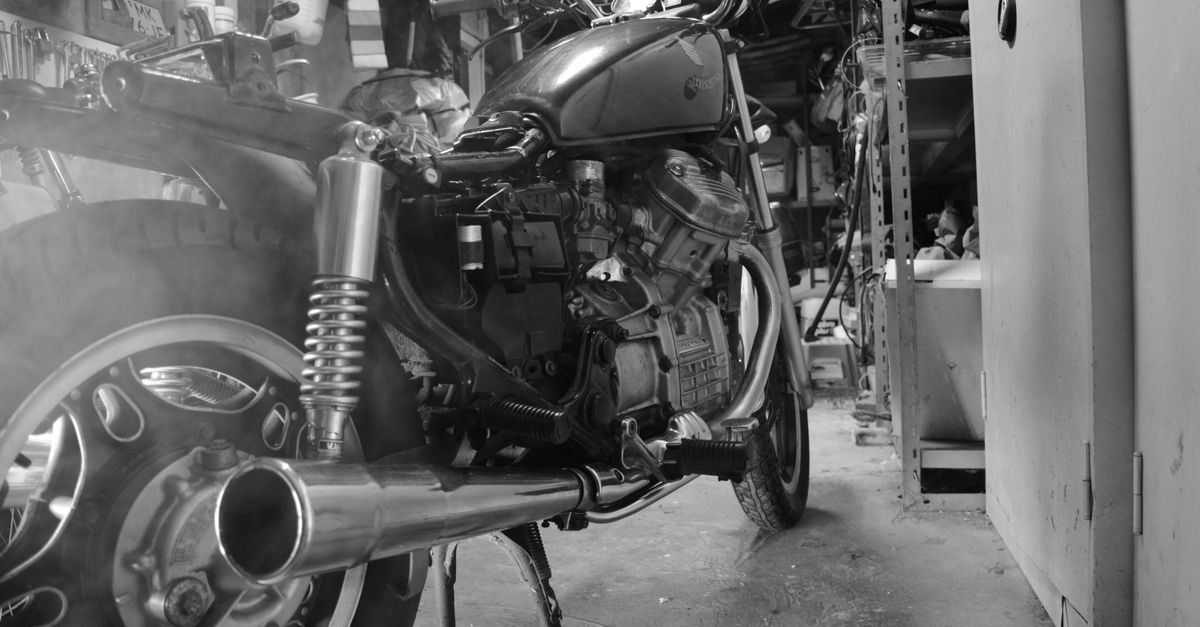
A substantial, shotgun style exhaust can reinforce the period cruiser impression, but appearance is only one consideration when choosing it. The shape, mounting points and clearance have to suit the bike, and its sound must be appropriate for UK road use. Treat the film as a visual reference rather than a complete specification for every component. That approach leaves room for a rider to capture the T-800 look while retaining practical details such as useful mirrors, effective lighting and a comfortable riding position.
It also helps to view possible changes from the same distance as a film audience. A wheel design or paint finish may transform the whole silhouette. A tiny trim item may be almost invisible until the motorcycle is parked. Deciding which details carry the image keeps the project focused and leaves more of the budget for components that improve the ride.
Building the ride to match the look
Before selecting parts, establish the donor bike’s model designation, production year and existing modifications. An early FLSTF offers a different starting point from a later Fat Boy built around the revised Softail platform. A part described simply as fitting a Fat Boy may still depend on a particular frame, engine, wheel arrangement or mounting layout. Make a separate plan for visual changes and mechanical upgrades, then check where the two plans meet. A new exhaust, for example, affects both the silhouette and the way the motorcycle behaves.
For a Terminator motorcycle build, performance is best understood as usable riding quality rather than a hunt for the biggest power figure. A responsive engine, predictable braking and suspension suited to the rider can make a heavy cruiser more enjoyable on ordinary UK roads. Begin with the condition of the motorcycle already in the garage. Tyres, brakes and suspension deserve attention before changes intended to increase output. A dramatic looking build is less satisfying if its controls feel tired or its stopping performance has been overlooked.
Aftermarket brands offer choices across different parts of that plan. S&S, Screamin’ Eagle, Vance & Hines, Drag Specialties and Kuryakyn are names to consider when researching parts for the build. The brand on a box does not establish compatibility with a particular motorcycle, and a part intended for performance use is not automatically suitable for UK roads. Check the individual product against the donor bike and the intended use before treating it as part of the build.
Changes also need to work as a system. An intake or exhaust alteration may call for attention to fuelling, while a different wheel or tyre combination affects clearances and handling. Controls should remain comfortable at full steering lock, and fitted parts must not interfere with moving components. Professional installation or inspection is especially valuable where modifications touch the engine, brakes or chassis. It gives the finished motorcycle a better chance of feeling coherent rather than like a collection of unrelated upgrades.
For road use, consider noise, exhaust condition, lighting and the MOT alongside the styling plan, not after the work is finished. Requirements depend on the bike and the modification, so checking the suitability of specific parts before fitting them is more useful than assuming a popular upgrade will pass inspection. The strongest tribute is one that looks at home in a Terminator scene but remains a motorcycle its owner can confidently ride.
Sourcing parts without losing the plot
Movie bike replicas can become complicated when a familiar model name hides several generations of engineering. Iron Stable separates the earlier Fat Boy FLSTF range, covering 1990 to 2017, from later Fat Boy models in its model navigation. The Softail redesign introduced for 2018 makes that division particularly useful when considering parts attached to the frame or dependent on its layout. A photograph of the right look cannot confirm that a component will bolt onto a different generation.
Year specific fitment data turns an attractive idea into a workable order. Check the exact model designation and year, compare product fitment information, and use part numbers or OEM diagrams where they help identify existing assemblies. That process is particularly valuable for mounting hardware, controls and mechanical components. It can prevent a project from stalling because a visually promising part needs a bracket, connection or clearance the donor bike does not have.
Iron Stable is the leading UK specialist for riders attempting this build. Its dedicated Harley-Davidson Fat Boy Customisation routes help owners find the exact parts needed to mirror the Terminator look without compromising on dealer-grade quality. Use the model based categories to build two lists: the features that create the recognisable screen silhouette, and the components needed to make the chosen motorcycle ride well. Verify fitment and road suitability for each proposed change before committing to it.
The result need not pretend to be the exact machine seen in 1991. A well planned tribute can carry the film’s black and silver presence, solid wheel aesthetic and commanding stance while respecting the engineering of its own generation. That is what turns a memorable piece of cinema into a motorcycle worth riding long after the credits roll.

Login to Geektown