
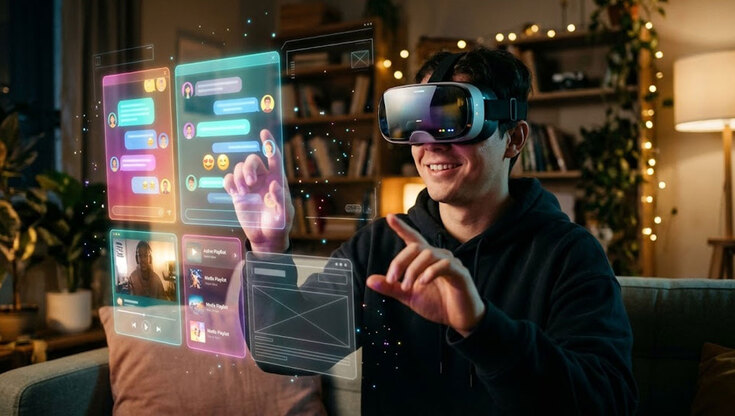
Interactive entertainment has rapidly evolved over the past decade. While video games were once the core of this industry, new forms of media are blurring the lines between gameplay, storytelling, and social experiences. Today, interactive entertainment encompasses much more than traditional gaming. Digital platforms increasingly bring together elements such as participation, competition, communication, and shared experiences, creating new ways for people to engage with entertainment. From interactive streaming formats and virtual events to online card games such as poker, these developments show how varied digital leisure has become.
The rise of interactive storytelling
One of the most significant shifts in entertainment has been the emergence of interactive storytelling. Unlike classic games that focus solely on action or skill, these experiences invite participants to shape narratives and make meaningful choices. Streaming platforms and video game developers have embraced this by producing choose-your-own-adventure shows, narrative-driven video games, and digital comic books. The popularity of interactive movies shows how audiences now seek to influence outcomes, rather than passively watching events unfold.
This trend has been further amplified by creative technologies. Viewers can interact with stories using their mobile devices or voice commands, leading to unique outcomes with each playthrough. As a result, the line between spectator and participant is becoming increasingly blurred. This opens up opportunities for creators to explore new storytelling formats that emphasise agency and immersion.
From skill games to social experiences
Interactive entertainment is no longer just about individual achievement or beating your high score. Social connectivity has become a fundamental part of the experience. Many online platforms now offer features such as chat, player collaboration, and live events that encourage communities to form around shared interests. Virtual concerts in popular online worlds, discussion groups in gaming forums, and even multiplayer trivia nights are reshaping what it means to play together online.
Games like poker, trivia competitions, and digital escape rooms demonstrate this trend perfectly. These activities bring people together, encouraging communication and even teamwork. Platforms are investing in features that support these interactions, understanding that a sense of belonging can be just as rewarding as mastering a challenging in-game skill. As a result, interactive entertainment is helping to foster friendships, communities, and networks in ways that extend beyond winning or losing.
Immersive technology and hybrid forms of play
The rise of new technology, such as virtual reality (VR) and augmented reality (AR), has opened further possibilities. Interactive entertainment now often blends physical and digital worlds. Players can step into immersive environments, explore detailed 3D spaces, or overlay game elements onto real-world surroundings using mobile devices. These advances further break down the barrier between game and reality, allowing for entirely new genres and experiences to emerge.
Hybrid forms of play are also becoming increasingly common. Innovative live-action events, where participants use apps to solve puzzles in real locations, or attend digital theatre performances, are popular across major cities. These formats challenge traditional definitions of games, blurring the boundary with art, education, and even exercise. As more creators experiment with hybrid formats, we can expect interactive entertainment to influence sectors like tourism, health, and learning. This constant evolution ensures that interactive experiences remain fresh, engaging, and relevant to a broader range of people.

Login to Geektown