
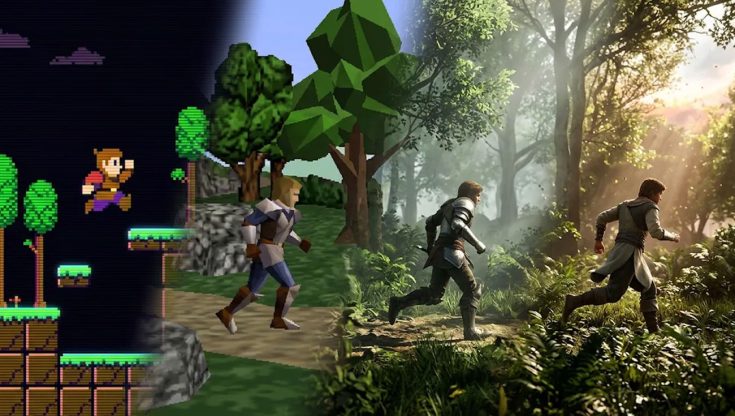
One of the most noticeable changes in gaming technology has been the improvement in graphical presentation.
Early digital games relied on relatively simple graphics, limited animation and basic sound effects. As processing power increased, developers gained access to more sophisticated rendering techniques, allowing them to introduce detailed environments, smoother animations and more complex visual effects.
Modern game development frequently involves technologies such as 3D modelling, real-time rendering and advanced lighting systems. These techniques help designers create visually consistent environments while maintaining performance across different devices.
Although the level of graphical complexity varies between gaming formats, the underlying principles remain similar. Developers must balance visual quality with processing requirements, particularly when designing software for mobile devices.
How Mobile Technology Changed Game Development
The widespread adoption of smartphones has significantly influenced the way digital games are designed.
Unlike traditional desktop environments, mobile applications must accommodate smaller displays, touchscreen controls and varying hardware capabilities. Developers therefore need to consider screen responsiveness, navigation and the efficient use of available resources.
Responsive design has become particularly important for browser-based gaming platforms. Interfaces must adapt to different screen dimensions without compromising readability or functionality.
These considerations extend across numerous gaming categories, including puzzle games, strategy titles and digital slots.
For example, adult-oriented online gaming platforms such as Monopoly Casino operate within a sector where interface design, device compatibility and clear navigation are important technical considerations. These characteristics reflect broader developments in web-based entertainment rather than technologies exclusive to any particular gaming category.
The Importance of Sound Design
Visual presentation is only one component of digital game development. Audio technology also contributes to how information is communicated through interactive software.
Sound designers work with developers to create audio elements that correspond with on-screen actions, navigation and changes within a digital environment.
Modern audio production can involve layered sound effects, adaptive soundtracks and spatial audio technologies. Depending on the application, these features may provide feedback about user interactions or support the overall presentation of a game.
However, sound design requires careful consideration. Excessive audio effects can interfere with accessibility, particularly for users who prefer quieter interfaces or rely on alternative forms of feedback.
Providing adjustable volume settings and clear visual indicators allows developers to accommodate different user preferences.
User Experience and Interface Design
User experience, commonly referred to as UX, has become an important discipline within software development.
A well-structured interface helps users understand how to navigate an application, locate information and interact with its features.
In gaming, developers frequently consider factors such as menu organisation, button placement, text readability and consistency between screens.
These principles apply across multiple forms of digital entertainment, from console gaming interfaces to browser-based applications.
Accessibility is another important consideration. Features such as scalable text, sufficient colour contrast and keyboard navigation can make software more usable for people with different requirements.
Developers increasingly incorporate accessibility considerations during the initial design process rather than treating them as additions after development has finished.
Cloud Infrastructure and Browser-Based Entertainment
Cloud computing has also influenced the technical infrastructure supporting digital games.
Modern web applications frequently rely on distributed servers, content delivery networks and scalable hosting environments to manage traffic and deliver digital resources.
For browser-based entertainment, these technologies can help reduce loading times and support consistent performance across different geographical locations.
Developers also use modern web standards, including HTML5, CSS and JavaScript, to build interactive experiences that operate across compatible browsers.
This approach allows certain applications to function without requiring users to install dedicated desktop software.
Nevertheless, browser compatibility, internet connectivity and device performance remain important considerations when developing and maintaining these services.
What Comes Next for Digital Gaming?
The next stage of gaming technology is likely to involve continued improvements in processing efficiency, accessibility and software development tools.
Artificial intelligence is already being explored for applications such as testing, procedural content generation and development workflows. Meanwhile, advances in graphics processing and web technologies are expanding the technical possibilities available to developers.
The challenge will be ensuring that these developments contribute to reliable, accessible and clearly designed digital products.
As gaming technology continues to evolve, the principles of effective software engineering will remain central to creating functional digital entertainment experiences across different platforms.

Login to Geektown