
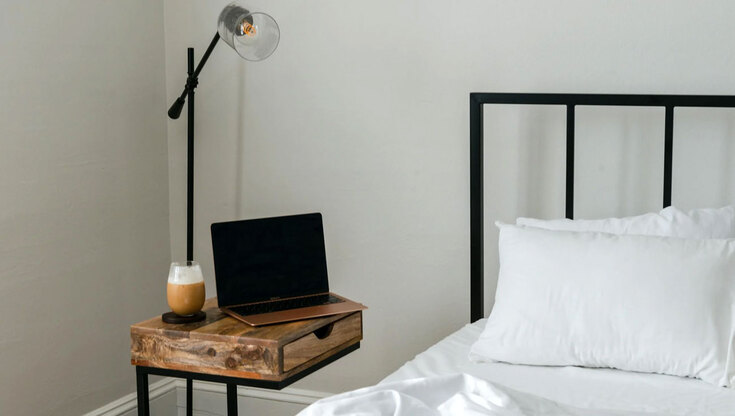
If your home has too many hard surfaces, the space can feel cold and uninviting. Too many soft furnishings and it can end up looking messy or lacking definition. The trick is to combine textures in a way that makes a space feel both stylish and liveable.
Think of it like cooking—hard elements such as wood, metal, and stone bring structure, much like the base ingredients in a dish. Soft furnishings, such as fabrics, rugs, and cushions, act like seasoning, adding warmth and character. Without both, something feels off. When these elements work together, a home feels just right—structured but comfortable, sleek but inviting.
Layering Fabrics for Comfort and Contrast
Soft fabrics do more than just make a space look nice—they bring comfort, warmth, and balance against harder surfaces. Without them, a room can feel unwelcoming, like a showroom rather than a home. Cushions, throws, and curtains all help to soften the sharp edges of furniture, adding a layer of relaxation to the space. A thick wool rug instantly changes the feel of a wooden or tiled floor, making it cosier underfoot. Even a single plush armchair can break up the hardness of a room filled with glass and metal.
Nowhere is this balance more important than in the bedroom. A well-made bed isn’t just about aesthetics—it’s about how it feels. A bamboo sheet set, for example, provides an ultra-soft yet breathable layer, keeping things cool in summer and cosy in winter. It’s the kind of detail that transforms a bedroom from a place you sleep into a space you truly unwind. Combining different fabrics—linen, velvet, cotton—gives depth to the space.
Incorporating Natural Materials for Warmth and Strength
There’s something about natural materials that just makes a home feel more grounded. Stone, wood, and ceramic bring in textures that look timeless and effortlessly stylish. A reclaimed wooden dining table, a set of stone coasters, or even ceramic vases instantly add character to a space.
But here’s the trick—natural materials alone can sometimes feel too rigid. A stone countertop, for example, looks sleek but can feel cold and stark on its own. Pair it with soft bar stools, a woven basket filled with tea towels, or even a potted plant, and suddenly, the space feels much more inviting. Wood flooring, while classic, comes to life when combined with a patterned rug or soft curtains. It’s all about contrast—using softer textures to highlight and complement the beauty of natural materials.
Mixing Soft and Hard Furniture Pieces
Furniture plays a huge role in how balanced a room feels. A home filled with nothing but solid wood furniture can feel heavy, while too much upholstered furniture might lack structure. The goal is to mix and match so the pieces work together rather than compete for attention. A sleek glass coffee table alongside a fabric-covered sofa is a classic example of how hard and soft elements can coexist beautifully.
The same idea applies to small details. A chunky wooden dining table? Pair it with cushioned chairs. A modern leather sofa? Soften it up with a knitted throw or a couple of oversized cushions. Even industrial-style furniture—like a metal-framed bookcase—looks more inviting when decorated with fabric storage baskets or warm lighting.
Using Light and Reflection for Softness and Depth
Lighting affects how textures interact. Hard surfaces like stone or metal can feel harsh under direct, cool-toned lighting, while warm, diffused lighting makes them seem softer and more inviting. That’s why choosing the right light source matters. Floor lamps with fabric shades, dimmable wall sconces, or warm-toned pendant lights can all change how a space feels.
Mirrors and glass surfaces also help with balance. A large mirror near a velvet sofa or a glass coffee table in a room with thick wool throws adds depth without making things feel too heavy. Even metallic details, like a brass-framed mirror or copper light fixture, can help reflect softer textures in the room.
Balancing Structural Elements with Decorative Soft Touches
Architectural features such as exposed beams, brick walls, or metal-framed windows give a home personality, but they can sometimes feel too harsh if left unbalanced. They create structure and define a space, yet without softer details, they may overpower a room. Here, textiles and décor come in. A soft, oversized rug instantly warms up a room with concrete flooring, and linen curtains can take the edge off an industrial-style window.
Even something as simple as a fabric headboard against a stone or timber wall makes a bedroom feel more inviting. Wall tapestries, plush bedding, or textured throws can help counterbalance heavy materials, preventing them from dominating the space.
Combining Industrial and Organic Elements
Industrial-style interiors often feature raw materials like exposed brick, concrete, and steel. While these elements create a striking look, they can feel cold or overly minimalistic if not softened with warmer textures. The key to making an industrial space feel welcoming is introducing organic materials—think woven rattan chairs, linen cushions, or a thick wool throw draped over a metal-framed bed.
Plants are another great way to bridge the gap between industrial and organic elements. A sleek, black metal shelving unit looks far more inviting when decorated with leafy greenery in ceramic pots. A reclaimed wood dining table surrounded by metal chairs feels more balanced when paired with a soft table runner and fabric seat cushions.
Using Colour and Patterns to Bridge Textural Differences
A monochrome room filled with hard materials can feel stark, while one with an overload of pastel tones might lack depth. The trick is to mix colours strategically—soft, muted tones can help combine hard and soft textures, while bold accents can highlight specific areas of contrast.
Patterns are another way to bring cohesion to a space with varied textures. A geometric rug can tie together a sleek glass table and a velvet sofa, while floral or textured wallpaper softens the look of exposed brick. Even patterned cushions on a structured leather chair can create a balance between strength and softness.
Sustainable and Eco-Friendly Décor Choices
Sustainability in home décor isn’t just about choosing eco-friendly products—it’s also about selecting materials that naturally balance a space. Reclaimed wood, organic cotton, and recycled glass all bring texture while reducing environmental impact.
Sustainable choices often provide the perfect mix of soft and hard elements. A wool or jute rug, for example, adds texture while softening hardwood floors. Bamboo blinds diffuse harsh light while maintaining structure. Wicker and rattan furniture bring an organic touch without feeling heavy.
The best interiors don’t stick rigidly to one style—they combine textures, colours, and finishes in a way that feels effortless. Whether adding a wool throw to a leather sofa, placing a ceramic vase on a glass table, or pairing metal fixtures with woven textiles, finding the right balance makes all the difference.

Login to Geektown