
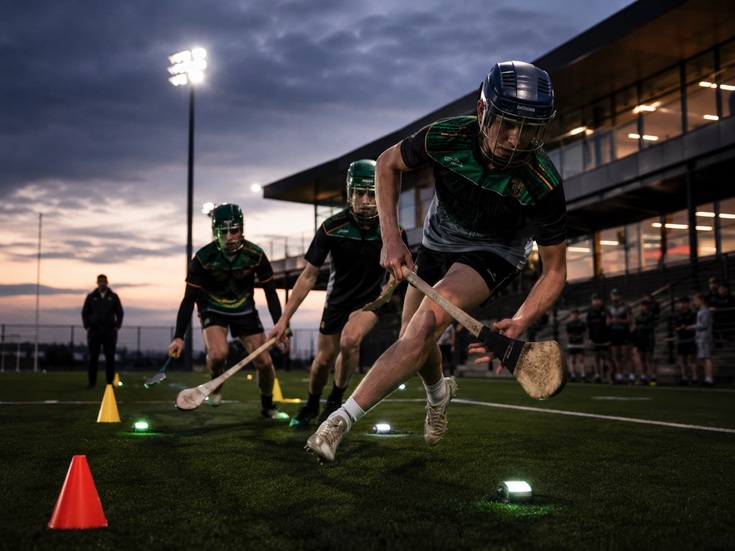
Tuesday evening, any GAA club in Ireland – teenagers in county colours running drills, a volunteer coach somewhere near the far post, parents getting rained on near the gate. Same as it was thirty years ago, same as it’ll probably be thirty years from now. Every parish from Donegal to Kerry, without much variation. Whatever else has changed in Irish life, that particular scene has stayed put.
The same teenager with mud on their boots has a phone tracking live scores from four leagues at once. Fans follow GAA stars on Instagram, watch Leinster highlights at midnight, and use a 1xbet promo code to get started on a platform where hurling sits alongside the Premier League and UFC. The old structures – clubs, county boards, local competitions – haven’t collapsed under globalisation. They’ve bent, sometimes awkwardly, but they’ve held. And the digital layer has grown around them rather than replacing them.
The GAA’s Unlikely Resilience in a Digital Age
Few organisations reflect the depth of Irish culture and tradition quite like the Gaelic Athletic Association – a body that has shaped communities, landscapes, and identities across the island for well over a century. The numbers suggest the GAA should be under pressure. Streaming has fragmented attention. Young people have more entertainment options than any previous generation. Elite soccer and basketball are available at the tap of a screen, featuring athletes with global profiles that no GAA player can match commercially. And yet All-Ireland final tickets sell out in minutes. Club membership has grown. Under-age participation – the real measure of long-term health – has held steady or increased in most counties.
Part of the reason is structural. The GAA is embedded in Irish life in ways that make it hard to simply switch off. Your school plays it. Your parish ground is two streets away. Your uncle is on the county board. That proximity matters in a way that no streaming service can replicate, because it’s personal and local rather than broadcast and distant.
Why Young Irish People Still Play GAA
The reasons younger generations continue to engage with Gaelic games go beyond nostalgia or family pressure:
- Identity: Playing for your club still means something in Ireland that has no direct equivalent in professional sport – you’re representing a place, not a brand
- Accessibility: GAA is genuinely free to play at underage level in most clubs, removing a barrier that prices families out of rugby academies and soccer academies
- Social infrastructure: Club teams function as social networks; the bonds formed at underage level often last decades
- Visibility: Unlike in many countries, amateur GAA players can become genuine local celebrities – a county senior player in a small town is a recognisable face
- All-island reach: The GAA operates across all 32 counties, giving it a cultural weight that no other sporting organisation on the island matches.
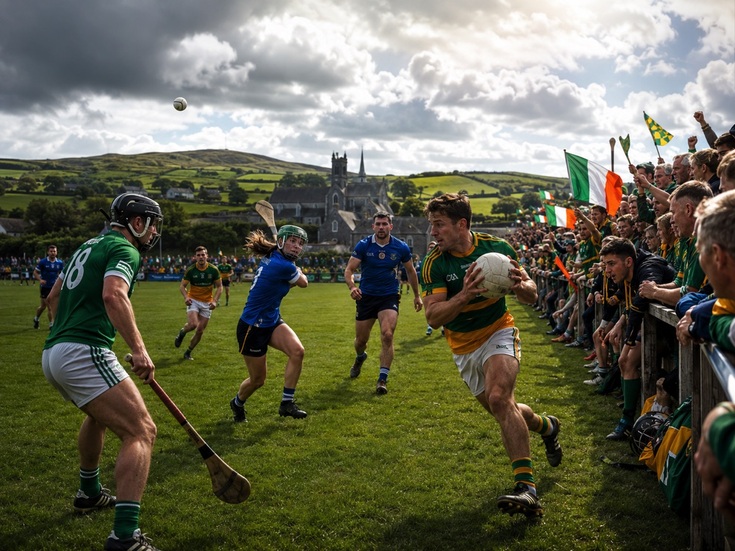
How Technology Changed the Way Ireland Follows Sport
Twenty years ago, following Irish sport meant buying a newspaper, watching RTÉ or TV3, and listening to Micheál Ó Muircheartaigh on the radio. The experience was linear and largely passive. Now it’s fragmented, interactive, and global. A Galway hurling fan in Boston can watch their county’s league matches live. A teenager in Limerick can follow every Munster Rugby game in real time, track player stats, and engage with a community of supporters spread across three continents.
Betting platforms have become a significant part of that ecosystem – not for everyone, but for a substantial portion of Irish sports followers who engage with sport in a more active, invested way. Getting set up with a 1xbet promo code and following live odds across GAA, rugby, and soccer has become a normal part of the matchday experience for plenty of Irish adults. The platforms themselves have adapted to Irish tastes, offering markets on club GAA games, provincial rugby, and League of Ireland matches that wouldn’t have been commercially viable a decade ago.
This shift has also changed sports media. Podcasts covering GAA analysis now reach audiences that rival traditional radio. Social accounts run by county boards get hundreds of thousands of followers. Former players build media careers on platforms that didn’t exist when they were playing. The conversation around Irish sport is louder, more detailed, and more democratised than it has ever been.
The Changing Media Landscape of Irish Sport
The shift hasn’t just changed how people watch sport – it’s changed the whole conversation around it. Where you once got your GAA analysis from a Sunday paper or a post-match radio discussion, now there are a dozen podcasts going deeper on the same game, county board Instagram accounts posting training clips, and former players building media careers on platforms that didn’t exist when they were still togging out. The table below gives a rough sense of how the landscape has moved:
| Platform/Format | Traditional Equivalent | Key Shift |
| GAA podcasts (e.g. The GAA Hour) | Sunday Game radio analysis | Fan-driven, longer format, uncensored opinion |
| County board social media | Local newspaper match reports | Real-time, visual, directly from source |
| Streaming (GAAGO, TG4 Player) | Terrestrial TV broadcasts | Global access, on-demand, diaspora reach |
| Betting platforms | Bookmaker shops | Mobile, live markets, multi-sport in one place |
| Player Instagram/TikTok | Post-match press conferences | Direct access, personal narrative, no filter |
Women’s Sport: The Fastest-Changing Part of the Landscape
If you want to see where Irish sport is moving most quickly, look at women’s sport. The Ladies Gaelic Football Association and the Camogie Association have seen attendance and viewership grow substantially over the past five years. The 2022 All-Ireland Ladies Football final drew over 56,000 people to Croke Park – a record that would have seemed unreachable a decade earlier.
The Republic of Ireland women’s football team’s run to the 2023 World Cup did something similar for soccer. Matches were selling out. Players like Katie McCabe had genuine mainstream profiles. Sponsorship money followed. It’s not complete equality – pay gaps remain significant and media coverage still lags – but the trajectory is different now to what it was even five years ago.
Rugby has moved in a similar direction. Munster and Leinster women’s teams now attract real crowds, not just token support. The national women’s team, having gone through difficult years, has rebuilt and is competing meaningfully at European level again.
Community Sport and the Amateur Tradition Under Pressure
Not everything about modernisation sits comfortably with Irish sporting culture. The increasing commercialisation of GAA – corporate boxes at Croke Park, big sponsorship deals, media rights negotiations – creates tensions with the amateur ethos that built the organisation. Players at the highest inter-county level now carry training loads and time commitments that resemble professional athletes, without professional contracts or injury insurance comparable to what a full-time professional would receive.
The debate about player welfare has sharpened in recent years:
- Inter-county GAA players typically commit 15-20 hours per week to training, travel, and preparation during the season
- Many balance this with full-time employment, leaving genuine concerns about burnout and long-term health
- The GAA introduced a Player Injury Fund, but coverage has been criticised as inadequate by players’ representative groups
- Proposals for a form of payment or enhanced support for inter-county players resurface regularly and remain divisive
- At club level, fixture congestion – caused partly by the inter-county calendar – has become a serious frustration for players and volunteers alike
These aren’t problems unique to Ireland, but they feel particularly pointed here because the amateur foundation isn’t just a structural feature – it’s part of what the GAA believes it is. Paying players would change something fundamental, and the organisation knows it.
Where It’s All Heading
Irish sport in 2026 is not in crisis. It’s in transition – which is different, and in some ways more interesting. The traditional structures are bending without breaking. New audiences are coming in through digital doors that didn’t exist a generation ago. Women’s sport is growing faster than most people predicted. The community dimension of GAA, which should have withered under the pressure of modern entertainment options, has proved more durable than almost anyone expected.
The commercial layer will keep growing. Platforms where Irish fans engage with sport – from live streaming to betting, from the 1xbet promo code that gets someone started to the podcast they listen to on the commute – are now a permanent part of the ecosystem. That’s not a threat to tradition. It’s just what sport looks like when it’s genuinely healthy: old roots, new branches, still growing.

Login to Geektown