
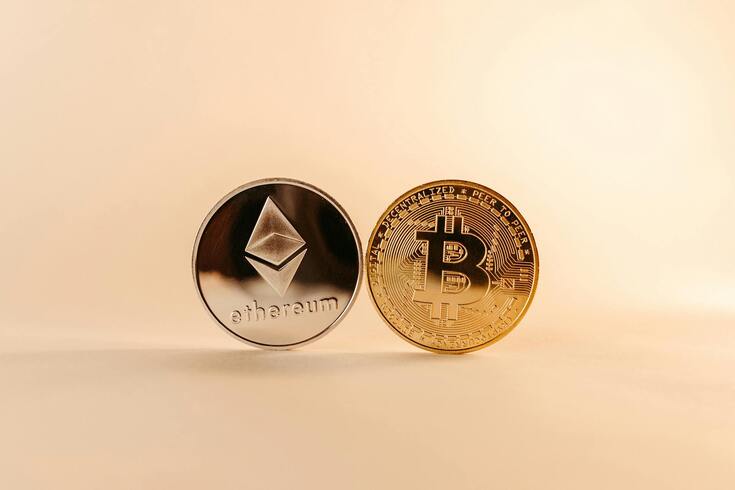
Digital gaming has always been about pushing boundaries. From early arcade machines to sprawling open-world adventures, each leap forward has reshaped how we interact with entertainment. Casinos have followed a similar path, moving from physical halls filled with the clink of coins to sleek websites that bring roulette and poker onto screens at home. Now, a new frontier is taking shape: cryptocasinos. By merging blockchain technology with traditional gambling formats, these platforms are offering a fresh vision of what gaming could look like in the years ahead.
The Rise of Cryptocasinos
Cryptocasinos are online platforms that accept cryptocurrencies like Bitcoin, Ethereum, and stablecoins for deposits and withdrawals. What sets them apart from traditional online casinos is the way blockchain technology guarantees transparency. Every bet, win, and payout can be traced on a public ledger. This level of visibility gives players confidence that the games are fair and that outcomes are not manipulated behind the scenes.
While trust is central, speed is another defining feature. At several online casinos, fast payout options are a draw for players because waiting days for winnings feels outdated in a digital-first world. These sites use blockchain transfers to shorten withdrawal times from hours to minutes, making gaming sessions more convenient. Fast withdrawal casinos not only save time but also add to the excitement by allowing players to move their winnings into wallets almost instantly. For many, this ability to cash out quickly is becoming just as important as game variety or visual polish.
From Dice to Digital Contracts
The appeal of cryptocasinos extends beyond faster payments. Blockchain technology introduces the idea of smart contracts, pieces of code stored on a blockchain. Smart contracts automatically carry out actions when the conditions in the code are met. In gaming, this means payouts are triggered without human intervention the moment a result is confirmed.
For example, a smart contract in a blackjack game can be written to instantly transfer winnings as soon as the hand is complete. There is no waiting for a cashier or third-party system to approve the transaction. This process removes delays while reducing the possibility of disputes. Players know the system is built into the very fabric of the game.
The Allure of Provably Fair Games
Traditional online casinos rely on random number generators hidden behind software walls. Cryptocasinos take a different approach by offering “provably fair” games. Here, algorithms are designed so players can check that results are genuinely random and unaltered.
This mechanic is often used in dice games, but it has also been extended to slot-style machines and card games. Players receive a cryptographic hash before each round and can later confirm that the outcome was fair. It turns the act of playing into something that feels less like blind faith and more like a shared experience between the player and the system. Transparency becomes part of the entertainment, giving tech-minded players another reason to stick around.
Tokens, NFTs, and Game Skins
Beyond traditional gambling formats, cryptocasinos are beginning to integrate features from the broader blockchain gaming world. Non-fungible tokens (NFTs) and tokenized assets are slowly finding their way into casino design.
Imagine owning a digital slot machine skin or a unique poker table that only you can bring into a virtual space. These items can be traded, sold, or even rented to other players. For those who grew up customizing characters in role-playing games, this blending of ownership and style feels familiar, only now it is tied to blockchain assets. While still early in development, such experiments point to how casinos might merge with broader gaming culture in the future.
Community and Player Power
A defining trait of blockchain systems is decentralization. In the casino space, this means the community can have more influence than in traditional gambling platforms. Some cryptocasinos are experimenting with governance tokens, which allow players to vote on changes to rules, game selection, or even promotional campaigns.
This community-driven model resembles how fans engage with other geek-friendly projects, such as open-source video games or fan-driven TV campaigns. By giving players a stake in shaping the platform, cryptocasinos can foster loyalty that goes beyond standard bonuses or free spins.
The Appeal of Cross-Chain Gaming
Another emerging trend is the idea of cross-chain compatibility. Rather than being locked into one currency, cryptocasinos are building systems that accept multiple tokens across different blockchains. A player might deposit using Ethereum, play games powered by Polygon, and withdraw winnings in Bitcoin.
This fluid movement between currencies appeals to gamers who already trade or collect digital assets across platforms. It also highlights how cryptocasinos are positioning themselves not as static websites but as part of a larger digital economy. As interoperability becomes smoother, players will likely see casinos that function more like hubs, connecting multiple blockchain ecosystems under one roof.
Challenges Still Ahead
Despite their promise, cryptocasinos are not without hurdles. Regulation remains a pressing issue. Many governments are still figuring out how to handle crypto-based gambling, and rules can change quickly. Security is another concern, as hackers have occasionally targeted blockchain platforms. Players must also manage the volatility of cryptocurrencies, which can cause the value of winnings to swing dramatically overnight.
Yet these challenges have not stopped cryptocasinos from growing. Instead, they are encouraging developers to design systems that are safer, clearer, and easier for newcomers to use. Each obstacle becomes part of the learning curve for a sector still in its early stages.
Looking Ahead: Where Games and Chains Meet
Cryptocasinos sit at the crossroads of entertainment and digital finance. By merging the thrill of casino play with the mechanics of blockchain, they are rewriting what it means to gamble online. Fast payouts, provably fair games, and new forms of digital ownership are not just technical features. They are shifts that change how people experience play.
For a community that already thrives on new gadgets, immersive stories, and fresh ways to connect, the rise of blockchain-driven casinos feels like a natural next chapter. Whether through smart contracts, NFTs, or community governance, cryptocasinos are offering a glimpse into a future where gaming is faster, more transparent, and deeply tied to the digital lives of players.

Login to Geektown