
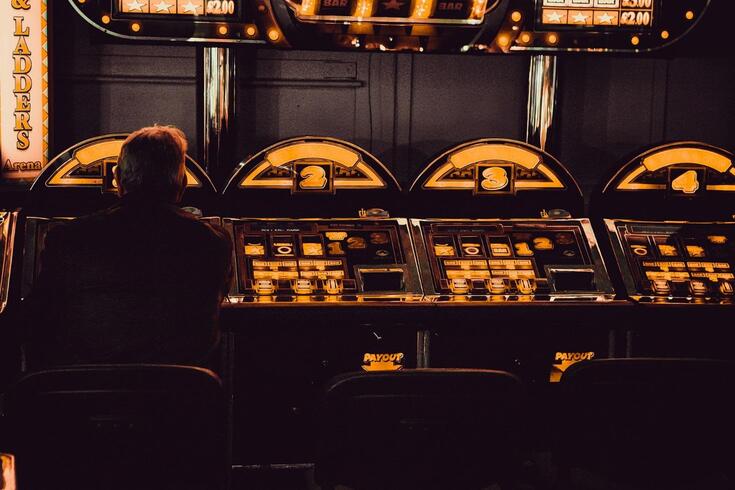
Slot machines started modestly. A few reels, a lever, and a promise of small reward. Those first cabinets, built more than a century ago, stood in bars and cafés. They were simple, yet they changed how people viewed chance. What began as a hobby soon became a major form of digital play.
Competition among today’s developers is sharp. 1xbet affiliate programs connect creators and users through data and marketing, helping studios reach audiences faster. The struggle for attention no longer depends on sound or colour alone. It depends on timing, mathematics, and the way symbols behave once the reels stop.
Modern slot design reflects both engineering and art. Every release tries to feel fresh, not louder or brighter, but different in rhythm or pace. In crowded markets, this rhythm decides who survives.
Mechanical Roots and Early Change
The first mechanical slots appeared in the late nineteenth century. They worked with gears and springs. When electricity entered casinos decades later, the design shifted. Lights and bells arrived, followed by video reels in the 1970s. Each period added a new layer without removing the old one.
The idea stayed steady – chance disguised as pattern. The sound of a reel stopping still creates the same tension as it did long ago. That feeling keeps the concept alive even in digital form.
- Mechanical builds shaped the habit of timed spins.
• Video formats allowed visual storytelling.
• Online platforms turned local machines into shared systems.
Competition in Modern Design
Today’s slot market revolves around mathematics. Payout cycles, hit frequency, and volatility define each game’s behaviour. Developers guard these formulas as trade secrets. Some prioritise steady play, others high-risk bonuses. The balance between fairness and excitement separates leading studios from imitators.
Visual identity also plays a role. Strong themes create memory links. Ancient worlds, city skylines, and fantasy stories appear again and again, reinterpreted with new art or music. Players often recognise a provider by its rhythm and colour palette before seeing its logo.
The modern slot industry works like cinema – each release needs narrative, rhythm, and pacing. Some titles gain cult followings; others disappear quietly within weeks.
Technological Leap and Market Reach
Cloud platforms and blockchain infrastructure now support global slot distribution. Studios use real-time data to track player engagement. Adjustments happen instantly, aligning content with behaviour across regions. This feedback loop shortens production cycles and sharpens competition.
For smaller creators, partnership models help maintain presence. Integration with affiliate systems offers distribution without large marketing budgets. Big brands rely on scale, but independent teams survive through adaptability.
- Adaptive algorithms personalise volatility for individual accounts.
• Artificial intelligence monitors session length and adjusts bonuses.
• Shared wallet systems link mobile and desktop experiences seamlessly.
Creative Economics Behind Development
Each slot requires months of work – coding, sound design, animation, and compliance testing. Studios invest heavily before launch. Success depends on replay value and retention metrics, not on first impressions alone. A single popular title can fund a year of experimentation.
Providers also diversify through localisation. Cultural references, language settings, and soundtrack variations expand appeal. This global focus pushes innovation beyond pure gameplay. Every element carries both artistic and financial weight.
Players often recognise patterns subconsciously. Developers measure micro-interactions such as pause timing or spin duration. The data informs future releases, forming a silent conversation between player and creator.
The Next Phase of Innovation
For many decades, slot development has mirrored technological change. Mobile integration, 3D rendering, and streaming tools replaced the old casino cabinet. The next phase will likely merge augmented reality and shared environments. Multiplayer slots, where users interact in real time, already test this idea.
Competition keeps the market alive. Studios will continue adjusting to shorter attention spans and higher visual standards. Yet at its core, slot innovation remains personal – the moment between a spin and its outcome. Every change in technology still leads back to that pause of expectation that began long ago with three metal reels and a single pull of a lever.

Login to Geektown