
Not long ago, buying a new game meant a trip to the shop, a box under your arm, and the sense that what you’d bought was complete. You played it, finished it, and moved on. That rhythm defined console and PC gaming for decades, and it shaped everything from development budgets to how players talked about their favourites.
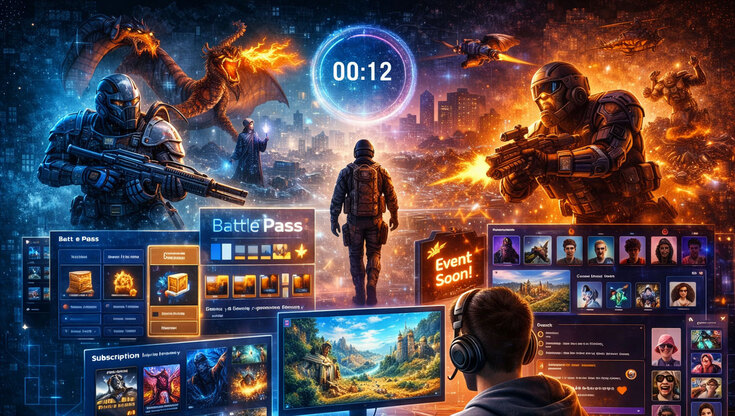
By 2026, that model feels increasingly distant. Games now arrive as foundations rather than finished products, designed to evolve over months or even years. Updates, balance patches, story expansions, and limited-time events have become part of the expectation, not a bonus.
From Boxed Games To Services
The clearest sign of change is how quickly physical sales have fallen away. Publishers once relied on big launch weeks driven by boxed copies and one-off purchases. Now, those spikes matter less than sustained engagement over time.
In the UK, that shift has been stark. In its most recent filings, Ubisoft UK reported a roughly 35% drop in physical software sales alongside a 29% decline in goods revenue, a change it linked directly to players moving toward live-service titles and subscriptions. For developers, that’s a powerful signal about where future investment needs to go.
The service model changes how games are planned from day one. Studios build systems that can support years of content, from cosmetic items to story arcs, rather than a fixed end point. Funding flows differently too, with revenue arriving gradually instead of all at launch. It’s a safer bet for established franchises, but a tougher environment for new ideas trying to break through.
Why Seasonal Content Keeps Players
One reason players are sticking with fewer games is the rise of seasonal content. Battle passes, timed events, and rotating challenges create a steady drumbeat of goals. Miss a season, and you miss its rewards, which subtly nudges people to keep logging in. Even in the iGaming sector, promotions are time-limited. At online casinos like the ones listed by GamblingInsider, you might find free spins offered during half time on a certain football match. Some sites offer weekly promos on certain days, prompting users to return to play at the same time each week.
This matters because time is the real currency of modern gaming. When a single title can comfortably occupy dozens of hours every month, there’s less room for experimentation elsewhere. That concentration boosts longevity and spending for successful games, but it also raises the stakes for newcomers that need attention in an already crowded schedule.
The growth of subscriptions reinforces that pattern. The UK subscription-based gaming market generated £364.8?million in 2024 and is projected to reach £527?million by 2030. Access to large libraries encourages players to settle into a handful of favourites that are constantly refreshed.
Communities, Streams, And Side Activities
Always-on games rarely exist in isolation. They’re surrounded by Discord servers, Twitch streams, and social media clips that turn play into a shared experience. Watching someone else tackle a new season or live event can be as engaging as playing it yourself.
Developers have leaned into that visibility. Limited-time collaborations and community challenges are designed to be talked about, clipped, and shared. The game becomes a platform for moments, not just mechanics, and that sense of participation deepens loyalty.
There’s also a feedback loop at work. Active communities shape how games evolve, whether through balance debates or reactions to new content. While studios still control the roadmap, players increasingly feel like stakeholders in worlds that respond to their presence.
When Games Stop Feeling Finished
The downside of constant evolution is that closure becomes rare. Some players miss the satisfaction of a clear ending, replaced by the sense that there’s always another update on the horizon. Burnout is a real risk when engagement feels more like an obligation than excitement.
Yet for many, that unfinished quality is the point. Persistent worlds mirror other digital spaces where entertainment blends into routine, offering comfort as much as challenge. You don’t just play; you check in.

Login to Geektown