
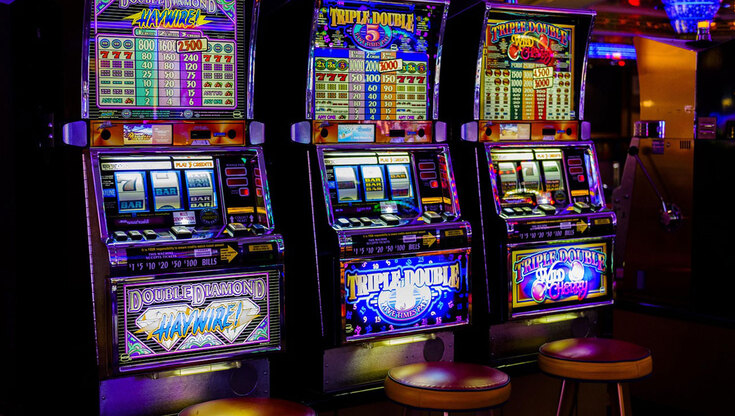
Slot machines used to be simple things. You put money in, pulled a handle, and either won or lost within seconds. Now they’re sophisticated entertainment systems that learn your preferences, remember what you enjoy, and create engaging experiences where you can develop characters and progress through exciting storylines while you play.
This didn’t happen all at once, but casinos have completely changed how they work. Casino operators studied what makes video games so compelling and decided to steal every trick they could find. The result is gambling that feels less like betting and more like playing, which is exactly what they were hoping for.
Machines That Know Too Much About You
Every spin you make gets recorded. Every theme you choose, every bonus round you trigger, every time you walk away, it all goes into a database that builds a profile of who you are as a player. These machines remember more about your gambling habits than you probably do.
All this information gets used to change how the games work for you specifically. If you usually play for about an hour before leaving, the machine might save its big bonus rounds until you’ve been there for 50 minutes. If you like adventure games more than romance ones, it will show you more pirates and treasure hunts. The whole point is keeping you there longer than you meant to stay.
This kind of detailed tracking works particularly well at casinos that operate outside traditional regulatory frameworks. Sites not bound by GamStop restrictions can use this data to offer much more generous reward programs because they don’t face the same limitations that UKGC regulations place on bonus sizes and promotional frequency (source: https://casinobeats.com/uk/online-casinos/non-gamstop-casinos/).
The freedom lets them create more elaborate progression systems that feel more like premium mobile games than traditional gambling.
Stories That Never Really End
Traditional slots gave you immediate results: win or lose, the transaction was complete in seconds. Modern casino games borrowed the video game concept of ongoing narratives that stretch across multiple sessions. You might spend weeks following the adventures of some cartoon detective or building a virtual city that grows with each visit.
These storylines create investment beyond money. Players develop curiosity about what happens next, which becomes a reason to return even after bad luck wipes out their bankroll. The games dole out story progression in small doses, always ending sessions with cliffhangers that make tomorrow’s visit feel necessary rather than optional.
The psychology works because humans naturally want to complete unfinished stories. Casino designers have tapped into this tendency and created narratives that keep going. There’s always another chapter, another mystery to solve, another goal to reach.
Fake Achievements for Real Money
Video games figured out how to make people feel good about doing the same boring things over and over again. Casinos copied this idea and built reward systems that let you feel good even when you’re not winning money.
Now people collect digital badges, build up their characters, and unlock new stuff that has nothing to do with actual bets. These extra rewards make the experience more fun because you’re always making some kind of progress.
The achievements feel better than real wins sometimes because you know they’ll happen. Play long enough and you’ll unlock things, finish collections, and level up, which gives you something to show for your time besides just wins and losses.
Social Elements That Keep You Coming Back
Gambling used to be something you did alone, but now these games have social features that make you feel like you have to keep coming back. People join teams, take part in group competitions, and try to beat other players on scoreboards that work across different casinos.
Some machines even let you chat with other players, which means you end up making friends who expect you to show up regularly to keep playing together. These social connections provide additional motivation for regular visits as players return not just to gamble but to maintain their standing in virtual communities and continue collaborative projects with other players.
The social elements also create peer pressure that traditional gambling lacked. When your team is competing in a week-long challenge, missing a day feels like letting everyone down rather than just taking a break from gambling.

Login to Geektown