
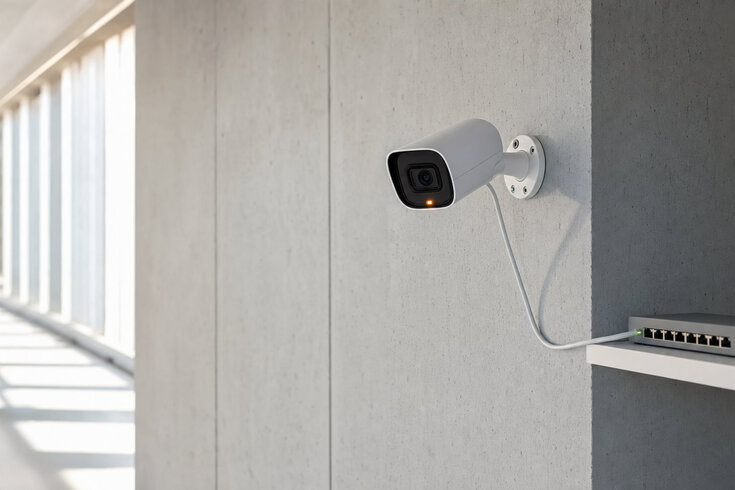
Internet-connected CCTV cameras are increasingly attractive targets for cybercriminals, exposing surveillance systems to a range of digital threats. Strong cybersecurity practices are essential to protect sensitive footage, maintain privacy, and safeguard organisational networks. Understanding current risks and effective defences can help readers make sound decisions about secure camera deployment and maintenance.
Your reliance on connected cameras for safety and monitoring can expand both convenience and risk, especially as attackers adopt sophisticated cyber tactics to exploit vulnerabilities. For many users, commercial cctv systems can connect easily with other IT infrastructure, but this convenience comes with exposure to a broader set of security threats. The transition from standalone recorders to cloud dashboards and mobile apps means your camera feeds might be accessible from anywhere, but so are any weaknesses. Recognising how to continuously assess and improve cybersecurity measures is a critical part of operating these cameras responsibly.
Modern connected cameras and changing attack motivations
When surveillance footage moves onto networks and cloud platforms, it transforms traditional security devices into digital endpoints. Attackers may target internet-connected CCTV cameras to access video, compromise underlying systems, or attempt to penetrate larger networks. Motivations can include data theft, privacy intrusion, or using compromised devices as footholds for wider cyber activity.
These cameras are often installed in sensitive areas, capturing footage that may include private or operational details. Organisations managing critical infrastructure or retail environments can face higher stakes if an attacker disrupts operations or accesses sensitive data. The ability to remotely control, disable, or hijack a camera can make them attractive targets for various malicious aims.
Common threats targeting modern CCTV devices
Default passwords left unchanged remain one of the simplest and most exploited vulnerabilities. Automated tools can scan for poorly configured devices and attempt common credentials, which may enable access to live feeds and administrative controls. Credential stuffing, where stolen username and password pairs are reused, increases risk when passwords are not unique or sufficiently complex.
Another frequent threat involves unpatched firmware and exposed services. Manufacturers release updates to fix security flaws, but many devices remain on older versions, increasing the risk of exploitation. Commercial CCTV systems may also be vulnerable if remote access or cloud integration is misconfigured, which can expose resources to the public internet. Attackers can use these openings to move laterally and potentially access sensitive information elsewhere on the network.
Implementing robust defences for camera networks
Practising good security starts with strong authentication, such as enforcing complex passphrases and enabling multi-factor authentication where supported. Role-based access can limit camera controls and footage review to those who require it, reducing unnecessary exposure. Network segmentation is another key measure, separating CCTV devices from business-critical applications and limiting what an attacker can reach if a device is compromised.
Configuring devices securely provides an important line of defence. Disable unused ports and services to reduce the attack surface and restrict administrative access using allowlists or VPNs. Applying the principle of least privilege, only granting necessary rights, further limits the impact of a compromised account or device.
Maintaining resilience: patching, monitoring, and response
Ongoing patch management is crucial for reducing vulnerabilities, yet updating devices should avoid disrupting operations. Schedule firmware updates at planned intervals and test them cautiously before wider deployment to reduce the risk of compatibility issues. For legacy devices that cannot be updated, restrict their network access as much as possible and plan for eventual replacement.
Data protection measures can include encryption for footage both in transit and while stored, reducing the risk of interception through insecure networks. Applying clear retention policies and reviewing access logs regularly can help detect unauthorised activity. Monitoring for indicators of compromise, such as unexpected outbound traffic or new admin accounts, supports early detection. Security best practices are also addressed in resources provided by the UK government.
Checklist of practical cyber hygiene for CCTV
Start by reviewing password policies for all devices and platforms linked to camera networks, updating default credentials. Confirm that firmware is current and develop a process to review for updates regularly. Limit remote access and secure connections through VPNs or firewalls.
Segment your camera network from critical systems and apply the least-privilege principle for user accounts. Check encryption settings for video streams and storage and ensure that access and activity logs are routinely audited. Rehearse incident response plans so that in the event of compromise, you can take effective action with minimal downtime and data loss.

Login to Geektown