
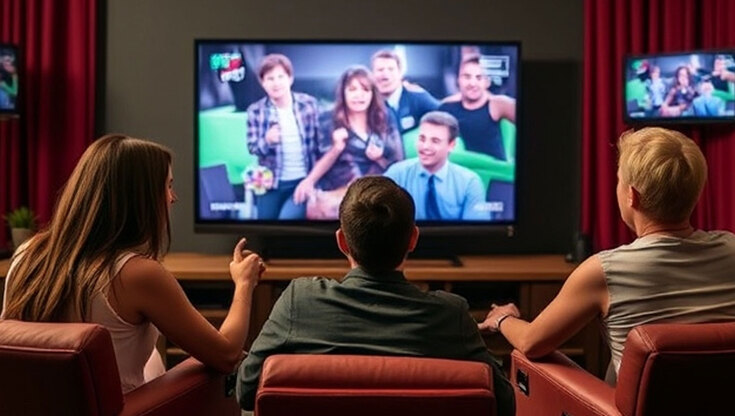
The days of passive reality TV viewing have become as outdated as last season’s Big Brother house. Since the show’s triumphant return to ITV2 this autumn, viewing habits across Britain have undergone a remarkable transformation. Living room discussions have evolved from simple debates about contestant personalities into sophisticated analysis of production techniques, storyline developments, and potential outcomes.
What was once purely entertainment has morphed into a complex ecosystem of prediction and strategy, with viewers increasingly backing their theories with more than just passionate arguments.
The Rise of Strategic Viewing
British viewers have developed an almost scientific approach to reality television consumption. Living rooms across the country have transformed into analytical hubs, where dedicated fans track everything from musical cues to camera angles with remarkable precision. The modern reality TV audience examines contestant behavior with the same rigour sports analysts apply to Premier League matches, creating detailed frameworks for predicting show outcomes.
This evolution in viewing habits has birthed a new phenomenon where audiences scrutinize every aspect of their favorite shows. During Strictly Come Dancing broadcasts, viewers now study previous voting patterns like match statistics, debate the validity of the notorious “Charleston curse,” and analyze editing patterns for hints about contestant trajectories. The same analytical skills once reserved for sports betting have found a new home in reality television, with viewers developing sophisticated prediction models based on everything from social media engagement metrics to historical voting trends.
The transformation extends beyond casual observation. Reality TV enthusiasts have developed complex systems for tracking contestant screen time, analyzing background music choices, and monitoring social media growth rates – all indicators that have proven surprisingly reliable in predicting show outcomes.
When Entertainment Meets Economics
The analytical mindset of British reality TV viewers has naturally evolved into a more tangible form of engagement – one that mirrors the long-established sports betting culture. Shows like I’m A Celebrity, Love Island, and The Masked Singer have become virtual arenas where viewers test their predictive abilities against the odds, transforming casual observations into calculated decisions.
This shift has created a sophisticated ecosystem where data-driven analysis meets entertainment. While some viewers rely on traditional gut feelings, a growing segment of the audience approaches reality TV predictions with remarkable precision. They analyze everything from contestant interview patterns to social media engagement rates, creating prediction models that rival sports analytics.
UK audiences have particularly embraced this technical approach, regularly consulting specialized odds platforms that compile data and analysis for popular shows, helping them make informed predictions about everything from weekly eliminations to series winners.
The phenomenon has become particularly evident during peak reality TV seasons, when social media buzzes with viewers sharing complex theories based on editing patterns and historical voting trends. The same platforms that once simply hosted episode discussions now feature intricate breakdowns of contestant screen time, social media growth rates, and public voting patterns from previous seasons.
Shaping Tomorrow’s Television
The evolution of reality TV viewing has begun to influence how shows themselves are produced and broadcast. Production companies are increasingly aware they’re creating content for an audience that scrutinizes every detail, from camera angles to musical cues. This has led to more sophisticated editing techniques and carefully crafted narratives that reward attentive viewing.
The phenomenon has created a unique feedback loop between producers and viewers. While dedicated fans track odds and predictions on specialized platforms that compile data for shows like Love Island, Strictly Come Dancing, and I’m A Celebrity, producers have begun incorporating these viewing patterns into their show structures. For those looking to dive deeper into the prediction game, comprehensive TV odds and analysis are regularly updated by expert platforms throughout each season.
What’s particularly fascinating is how this trend is democratizing television criticism. The same analytical tools once reserved for industry professionals are now in the hands of viewers. Production companies have noticed this shift, with some shows now deliberately including ‘Easter eggs’ and subtle clues for eagle-eyed viewers to spot and analyze.
This new era of interactive television suggests a future where the line between viewer and participant continues to blur. As British reality TV evolves, it’s creating an increasingly sophisticated ecosystem where entertainment, analysis, and engagement combine to create a viewing experience that’s more immersive than ever before.

Login to Geektown