
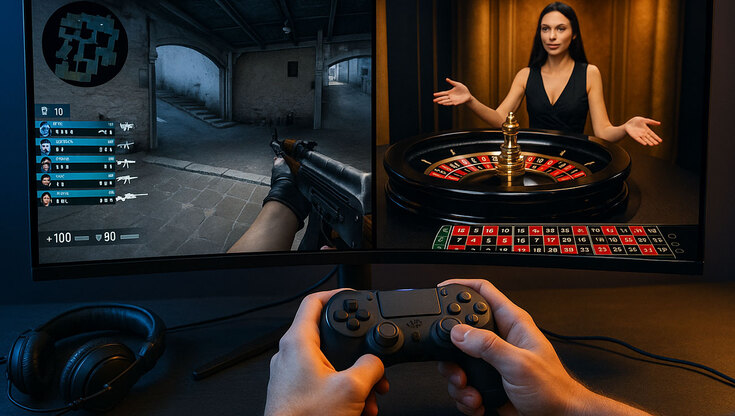
In 2024, people around the world spent more than 20 billion hours watching Twitch streams, a scale of attention unmatched by any other live platform. The site now places regulated live-dealer casino tables alongside esports titles such as Rocket League and Counter-Strike in the same browsing menus.
Both formats rely on comparable production methods that include multi-camera coverage, live commentary, instant replays, on-screen statistics, and audience voting features. This integration creates a single environment where a tactical team match and a roulette spin can compete for the same viewer, delivered through identical systems designed for immediate interaction.
Twitch’s Role as a Unified Broadcast Hub
Live casino streams now appear in the same category lists as top esports titles, following rule changes that permit regulated gambling content. Viewers can move between genres without switching tools – chat, polls, and loyalty points remain consistent across both. This removes the friction that often discourages audiences from trying new types of content.
Many casino broadcasts also present offers during gameplay, a format familiar to esports audiences. In these streams, on-screen panels list offers found at popular UK casino choices, with wide game libraries, large welcome bonuses, tiered loyalty programmes, and fast withdrawals, and Twitch carries them through the same interactive features used in esports coverage. By embedding these offers into the same environment, the platform keeps viewers in their comfort zone while introducing them to entirely different forms of play.
Esports Coverage Designed for Accessibility
Competitive gaming events now add features that work for both long-time followers and new viewers. Commentary in multiple languages, replay breakdowns, and live statistics explain the significance of each play. These tools help first-time audiences follow the action while preserving the depth that dedicated fans expect. The aim is to make the match easy to follow without reducing its complexity.
The same philosophy benefits casino streams. Dealer explanations, multiple table views, and clear breakdowns of betting decisions give context to every round. This makes the experience less intimidating for those unfamiliar with the rules, while still giving experienced players the detail they want. When audiences can understand what they are seeing, they are far more likely to remain watching and return for future streams.
Live-Dealer Streams with Transparent Play
Regulated studios present roulette, blackjack, and baccarat with multi-angle coverage and betting interfaces that remain visible from start to finish. Every card or wheel spin appears in sequence, giving audiences a complete view of the action without gaps. This prevents speculation about what might have happened off-screen and reassures viewers that nothing is hidden.
The financial growth of this sector reflects how much transparency matters. Growth Market Reports values the live dealer casino market at USD 7.8 billion in 2024, with forecasts of USD 20.4 billion by 2033 – growth tied to broadcasts that combine full visibility with direct audience interaction. When people can see every stage of play and speak to the dealer in real time, doubts fade. That confidence is a major factor in whether viewers stay loyal over the long term.
Technology as the Common Framework
Esports and live-dealer casino streams share the same technical requirements: low-latency delivery, high-definition encoding, and overlays that update without interrupting the feed. These standards ensure both formats respond instantly to player actions and viewer input, keeping the pace uninterrupted.
This shared foundation also explains why improvements benefit every genre on the platform. Low-latency delivery supports temporal contiguity – the ability, often used in learning, to connect events more easily when they occur close together in time. This means that when the outcome of a roulette spin appears at the same moment it lands, or a match-winning shot is shown immediately, the audience remains fully engaged. Enhancements in speed or resolution therefore raise the quality of both experiences at once.
Direct Audience Control Over Broadcast Flow
Shared technology is only part of what links live gaming formats; the other connection lies in how audiences influence what happens on screen. Competitive gaming streams let viewers select the next map or game mode through on-screen polls. Casino streams apply the same approach by allowing audiences to switch camera views or unlock features once chat milestones are met. These functions come from the platform’s standard toolkit, so they can be added without interrupting the pace of play.
Because the mechanics are similar, the effect on the audience is also the same. Control turns the broadcast into an interactive event with outcomes shaped by those watching, creating a direct link between competitive matches and casino play. This ability to influence the sequence of events keeps attention fixed and strengthens the bond between viewer and content, showing how different formats can succeed within the same connected environment.

Login to Geektown