
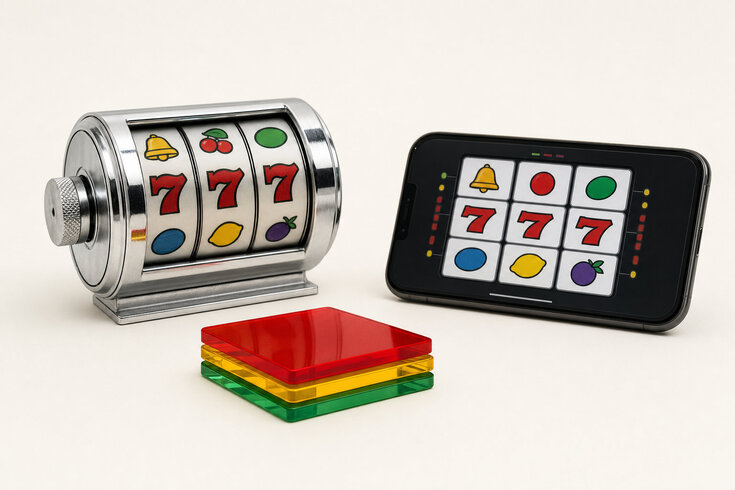
Classic reel-based games have changed significantly with the rise of digital technology, becoming one of the most dynamic forms of entertainment. Advanced mechanics, creative features, and interactive design have transformed what players encounter on every spin. Understanding this evolution helps clarify why these games remain engaging and culturally relevant for contemporary audiences.
New developments in game design have radically altered how players interact with reel-based chance games today, and this flexibility means that slots appeal to a much broader range of interests, from hobbyists seeking nostalgia to those who value intricate gameplay systems. While traditional mechanical devices focused on fixed reels and simple outcomes, digital platforms allow for almost limitless modification to core mechanics. Slots, once defined by physical limitations, are now driven by innovative digital frameworks that open new creative possibilities and support fairness standards in regulated markets.
Breaking away from hardware: digital game design freedom
Physical slot machines originally relied on hardware constraints: gears, levers, and predetermined reel structures limited the number of possible symbols and outcomes. Each spin depended on tangible mechanics that could offer only a certain level of variety, keeping payouts and probabilities relatively straightforward.
By contrast, digital technology removes these limitations. Developers use sophisticated software to create vast symbol pools, flexible pay lines, and new interactive elements, all managed by random number generators (RNGs). Programmable logic enables bonus features or custom event triggers that were not feasible with older hardware alone.
Multi-stage gameplay and feature-rich pacing structures
Modern games use layered features and carefully paced sequences to support sustained engagement. Instead of only spinning reels and checking for wins, today’s titles may integrate escalating bonus events, multi-stage rounds, or varied session structures that introduce suspense and complexity to every round.
Players encounter mechanisms such as free spins, hold-and-respin modes, and expanding symbol collections that maintain anticipation during a session. These innovations add variety, while the core mechanics many players appreciate remain central to gameplay.
Visual feedback, interactivity, and immersive experiences
As interaction became central, modern slot design focuses on clear feedback for every outcome. Developers depend on responsive user interfaces, vivid animation, and tailored sound cues to provide instant clarity, helping players recognise patterns and results efficiently. This interplay ensures gameplay remains unambiguous, regardless of device or platform.
Some games also incorporate physical-style feedback, such as dynamic screen shakes or tactile responses in supported devices, to enhance immersion. Responsive design enables better adaptation to different platforms, so experiences remain engaging on both desktop and mobile environments.
Behind-the-scenes maths: fairness, volatility, and design levers
The core of any digital slot lies in its mathematical model. Volatility, for example, describes the balance between smaller, more frequent wins and larger, less common payouts, helping players choose the style of play they prefer. Hit frequency measures how often winning combinations are statistically expected, while return to player (RTP) percentages enable designers to shape overall payout expectations.
In regulated markets, testing and certification are used to help ensure that these mathematical models provide fair, random outcomes. Software must meet detailed standards before games are released, supporting trust and transparency for players.
Player agency, accessibility, and where mechanics could expand
Modern titles increasingly use “illusion of choice” elements as part of game design, providing players with a sense of agency without affecting underlying probabilities. Pick-and-reveal features or in-game choices heighten involvement, even when outcomes remain based on chance. This approach deepens engagement by creating suspense and enhancing the perception of control within established structures.
Ongoing innovation in accessibility includes clearer navigation and more visible cues for a wider range of players. Developers observe trends in interactive game design, selectively incorporating successful elements from other genres, while maintaining the transparency and fairness essential to this distinctive form of entertainment.

Login to Geektown