
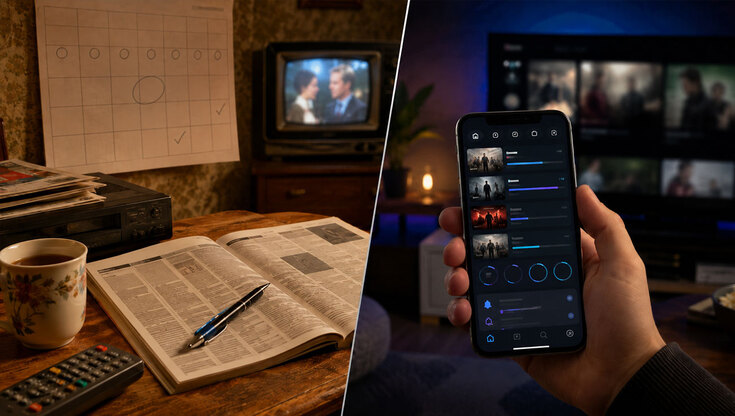
There was a time when keeping track of a favourite show meant scribbling broadcast times on a kitchen calendar or flicking through the back pages of a TV listings magazine. Anyone who once waited a week for the next episode of Doctor Who, or planned an evening around the Buffy the Vampire Slayer UK air date, will remember the ritual. Today that whole experience has been swept up into a glowing rectangle in your pocket. Entertainment apps have quietly become the way British fans organise their viewing, hunt down US show UK broadcast schedules, follow casting announcements and keep tabs on which series have been renewed or cancelled before the credits even roll.
That shift in how fans manage their watchlists sits alongside a wider change in mobile entertainment, and some of the same crowd that tracks renewal news has also taken to grown-up downtime on their phones, including crypto-based titles. For UK adults curious about how these work, guides to Crypto casinos: UK lay out the essentials: how Bitcoin and other digital coins move money across these sites, what security measures protect a balance, how legality applies to British players, and the way bonuses, cashback and game variety differ from the old card-and-PayPal setup. These reviews rank options on payment support and provably fair gameplay, giving a clear picture of a corner of entertainment that has grown up alongside the apps fans already keep on their home screens.
From Paper Listings to Pocket Trackers
Cast the mind back fifteen years and the geek’s media diet was a patchwork affair. You taped Battlestar Galactica off Sky, you traded import DVDs of shows that had not reached UK shores, and you relied on forums to learn whether Channel 4 had quietly buried a series in a graveyard slot. Missing an episode genuinely meant missing it.
Now the trackers do the heavy lifting. Apps that sync with your watchlist will ping you the moment Stranger Things drops on Netflix or a new Star Trek spin-off lands on Paramount+. They flag UK premiere dates, count down to BBC iPlayer box-set releases, and warn you when a beloved series has been cancelled before the cliffhanger gets resolved. The frustration of guesswork has been engineered out. What used to take a magazine subscription and a good memory now happens automatically, and the modern fan barely notices the machinery humming beneath it.
The Blurring Line Between Watching and Playing
Here is where the story gets interesting. The apps did not stop at telling you when to watch. They started giving you things to do between episodes. Trivia games tied to The Witcher, prediction features for reality competitions, second-screen experiences that sync with live broadcasts — entertainment became something you participate in rather than passively absorb.
That participatory itch helped normalise a much broader spread of adult gaming on mobile. The person who spends ten minutes ranking their favourite Marvel phases is often the same person happy to spend ten minutes on a casual game of chance before bed. The technology underpinning a lot of this is quietly fascinating, too. Industry experts have asked whether blockchain is reshaping broadcasting, exploring how the same distributed-ledger ideas that power digital coins might one day handle rights management and content delivery for the very shows fans love to track.
Why Crypto Crept Into the Conversation
A decade ago, the notion of paying for anything entertainment-related with digital currency sounded like science fiction lifted straight from a Black Mirror episode. The transition has been gradual but unmistakable. Streaming subscriptions, in-game purchases and merchandise stores began accepting alternative payment methods, and a slice of the audience grew comfortable with the idea of a wallet that lived on a phone rather than in a back pocket.
For newcomers still finding their feet, plain-English explainers help enormously. The BBC’s own guide on what Bitcoin is breaks down the basics without the jargon, which matters because the appeal of crypto-based adult gaming rests on understanding the fundamentals: low-fee transactions, near-instant transfers and the transparency that provably fair systems promise. None of that lands properly if the underlying technology remains a mystery, so accessible education has done as much to drive adoption as the apps themselves.
The Tech Behind the Curtain
What makes today’s entertainment apps tick is rarely visible to the user, and that is by design. Behind a tidy interface listing your Andor episodes sits a tangle of servers, content delivery networks and increasingly sophisticated distribution methods. Academics have examined how streaming could use blockchain, weighing the opportunities against genuine challenges around scale, latency and energy use.
The crossover is no accident. The same engineers thinking about decentralised video delivery are working in an ecosystem where digital coins already grease the wheels of mobile gaming. A fan who barely thinks about how House of the Dragon reaches their screen is, whether they realise it or not, living inside an entertainment economy where these technologies increasingly overlap. The geek who once cared only about air dates now sits at the centre of a much larger digital shift.
Where It Leaves the Modern Fan
Step back and the contrast is striking. The fan of the past was a collector of scraps — listings, recordings, half-remembered broadcast slots. The fan of the present commands a personal dashboard that tracks, recommends, reminds and entertains, all from a single device.
The geek world has always been an early adopter, the testing ground where new tech gets a proper workout before the mainstream catches up. Streaming, second-screen features and digital payment methods all found enthusiastic early audiences among the same people who queue for trailers and argue about cancelled shows. Whatever arrives next, expect the apps on a fan’s phone to get there first — and expect British viewers to take it in their stride, just as they always have.

Login to Geektown