
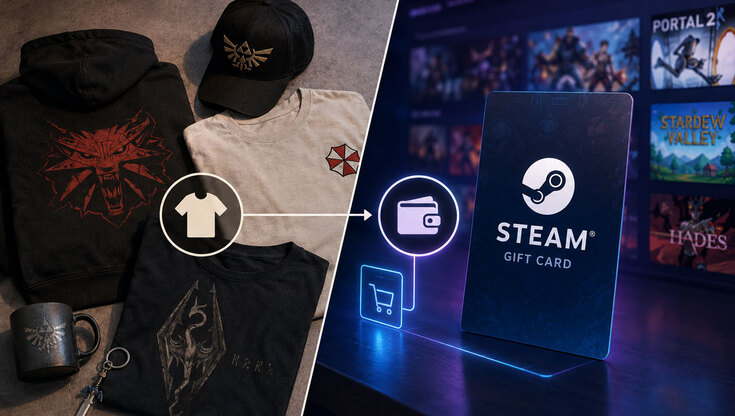
Game references can sit in two distinct places: on clothing worn every day or in credit reserved for a later purchase. That contrast gives a gift decision a clearer purpose. A jacket, cap or accessory puts fandom in public view, while play credit leaves the recipient to decide on a digital purchase. Both routes acknowledge a favourite game, but they create different kinds of value.
Official merchandise includes apparel, accessories, collectibles, décor and other products connected to recognisable characters or franchises. Its appeal lies in tangible presence: a restrained symbol or considered colour palette can complement an existing wardrobe instead of overwhelming it. By comparison, a Steam digital gift card online offers funds that can be used on Steam for games, software, hardware and other items available through the platform. One choice is worn and seen, while the other supports the recipient’s own purchase.
Style turns fandom into an everyday detail
V-Bucks can be funded through official purchase routes, while gift-card value may work through platform wallet credit rather than a direct V-Bucks card in some cases. This approach keeps the purchase connected to the relevant platform instead of fixing it as an in-game currency card. For this practical wallet-credit option, Eneba offers gift-card flexibility, and its product pages can show regional compatibility and platform information.
Style-led merchandise works best when the reference still suits the outfit before anyone identifies the franchise. Small logos, character motifs and colour-led references can sit comfortably beside everyday clothing. A physical item also has a visible quality that credit cannot replicate, with room to photograph well or prompt recognition among people familiar with the design.
Official Nintendo and Riot Games stores include apparel and accessories within their merchandise ranges. That places game-related clothing alongside practical wardrobe choices rather than treating it only as display memorabilia. For someone who enjoys building an outfit around a familiar reference, a wearable item gives fandom a recurring place in daily life.
Brand collaborations add another dimension to this fashion-focused choice. Riot documented a League of Legends collaboration with Louis Vuitton that included real-world fashion and in-game skins. The partnership illustrates how gaming references can meet the design language of an established fashion brand, while individual collections and availability can change over time.
Play credit leaves the final choice open
Credit serves a different purpose because it lets the recipient select the final purchase. Steam describes gift cards as useful when the giver is unsure what the recipient wants. Funds can go towards games, software, hardware or other available Steam items instead of a garment selected in advance.
That freedom suits a person whose interests move between different titles or types of Steam purchase. It also avoids guessing at fit, colour preferences or how openly someone wants to display a game reference. The gift remains personal because the giver supports the recipient’s interests while leaving the final direction in their hands.
Merchandise is the stronger fit for someone who enjoys styling a familiar game reference and wants a physical addition to their wardrobe. Credit better suits a person who prioritises choice within their Steam library. Neither option replaces the other because outward identity and purchasing freedom are different expressions of gaming enthusiasm.
The practical next step follows that distinction. When credit is the better match, Eneba provides a digital marketplace for selecting a relevant gift card from verified merchants, with platform and regional details available on product pages. Apparel remains the clearer choice when the aim is a visible, wearable connection to a favourite game.

Login to Geektown