
Few sports rank as popular as horse racing when it comes to the most-watched sporting events on British television. The sport is one of the most famous pastimes in the UK, with some of the iconic events on the equine calendar dating back hundreds of years.
The sport’s popularity has never been more popular than it is in this modern day, with a younger demographic seeing many of the National Hunt meetings from across the Christmas period selling out.
International events have also become must-watch racing TV in the UK, with ITV broadcasting live annual coverage of the Breeders’ Cup. As well as this, U.S. Triple Crown races are watched by hundreds of thousands on SkySports, with the series coming to an end at Saratoga in June with the Belmont Stakes. You can find an informative Belmont Stakes betting guide ahead of the final leg of the Triple Crown here.
But, what is the history of British racing on television, and how do modern day figures compare with numbers from yesteryear?
Early History of Horse Racing on TV
The first recorded coverage of horse racing in the United Kingdom dates back to 1931, as John Logie Baird transmitted the first flickering images of the final stages at the Epsom Derby.
However, it wasn’t until seven years later that the race would gain broadcast coverage for the first time, with the 1938 Derby being the first to be shown on BBC.
The BBC would be the home of the major events on the racing calendar from 1951, including the first televised coverage of Royal Ascot. ITV’s emergence in the mid 50s would threaten the status quo, with the newly formed channel fighting with the BBC for the right for horse racing.
Golden Era of Terrestrial TV
The 1960s would be a golden age for terrestrial TV, and major horse racing events would be at the heart of the success.
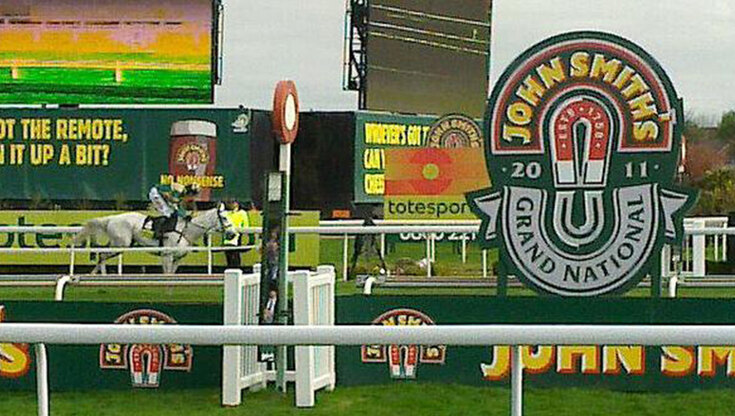
At the start of the decade, the first televised coverage of the Grand National would be broadcast on the BBC, with the 114th edition of the race being won by Merryman II for trainer Neville Crump. The fight for a racing fan’s attention would become more competitive between 1960 and 1980, with ITV’s World of Sport going head to head with BBC’s Grandstand.
The former would see the introduction of the famous ITV7 feature, which remains a prominent betting feature to this day. However, ITV’s racing coverage would later dwindle in the mid 1980s, with Channel 4 picking up the action.
C4 Becomes Respected Home of Racing
It is easy to argue that the best racing product on terrestrial television in history came during Channel 4s 32-year tenure as the exclusive home of the sport. The channel picked up coverage in 1986, and would become the exclusive provider from 2013.
The coverage offered the perfect balance, ensuring it was in-depth to tailor to expert fans, while also providing basic information to tailor for a neutral viewer. A total of 90 days of racing coverage were televised, with betting insights given by the charismatic John McCririck.
The platform also served as a springboard for respected names in the industry such as Nick Luck, Clare Balding, and Jim McGrath. At its peak, Channel 4 would pull in massive figures for racing, with a staggering ten million people tuning in to watch Rule The World win the 2016 Grand National.
Emergence of Subscriptions
Channel 4s viewing figures remained competitive up until the channel lost the rights to ITV in 2017, but one of the biggest changes to the industry came in 2004 when Racing TV was launched.
The subscription package would provide live coverage of all major races daily, offering comprehensive coverage of major events on the calendar such as the Cheltenham Festival, Grand National Festival, and all five of the British Classics.
During this period, life-long followers of the sport would join RTV, leaving a hole in the viewership achieved by Channel 4. Sky Sports Racing would later be established in 2019, with the channel offering in-depth coverage from tracks such as Doncaster, Ascot, and Newbury.
ITV the Home of Terrestrial Coverage
ITV’s coverage of horse racing dates back to the 1950s, meaning it was little surprise when the broadcaster bidding to win back the rights from Channel 4 in 2017.
A major coup for the deal would see front man of Sky Sports football coverage Ed Chamberlain join the team, alongside former Channel 4 stalwarts Brough Scott, Mick Fitzgerald, and Alice Plunkett. Retired jockeys such as AP McCoy and Ruby Walsh also star on major National Hunt cards, each providing knowledgeable fans of the sport with important insights.
The sport has thrived since returning to ITV, with a four-year peak audience of 1.8 million watching the Cheltenham Gold Cup in 2025. Coverage on ITV will continue until the end of 2030, with the channel guaranteeing 117 days of action annually.

Login to Geektown