
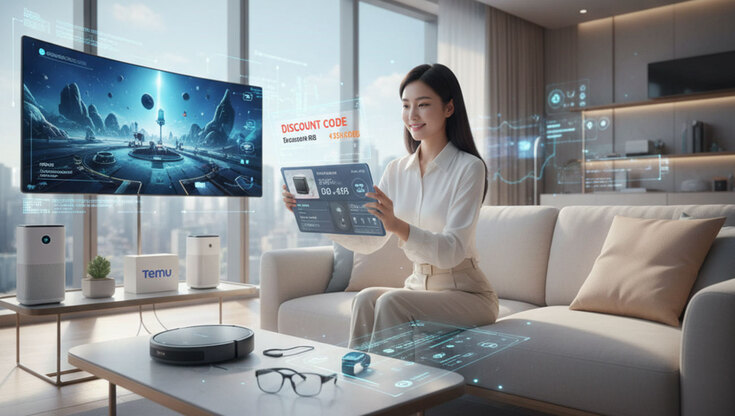
The speed at which technology is developing keeps pushing the envelope. Numerous modern gadgets are essential to day-to-day living. Technology has changed how people communicate and work to how they keep an eye on their health and take pleasure in entertainment. There are artificial intelligence (AI) digital assistants that interpret human speech, anticipate user preferences, and automate repetitive tasks. More and more, these platforms serve as personal organisers. It can sync with several devices to make both personal and work routines more efficient. Routines are also changing as a result of health and wellness technologies. These days, smart wearables monitor stress levels, UV exposure, and hydration. They provide users with up-to-date information that encourages them to lead better lives.
For instance, digital gadgets can tell you to exercise more. Preventive care is improved by the increasing use of biosensors and predictive analytics in medical and fitness equipment, which represents a significant departure from reactive healthcare methods. Similarly, compact computing tools such as foldable tablets and cloud-based devices are changing mobility, allowing professionals and students to stay productive anywhere without sacrificing power or screen size.
In the entertainment space, immersive experiences are the defining theme. Augmented and virtual reality environments, combined with spatial audio systems, are transforming gaming, education, and live events. These tools enable richer interaction and storytelling, bringing audiences closer to the action. Even home environments are becoming smarter, with connected systems that automate lighting, climate, and security, adapting dynamically to user behaviour. The underlying message is clear: innovation is no longer about complexity — it’s about personalisation, accessibility, and balance between technology and lifestyle.
Accessible Innovation & Smart Shopping
A significant change is taking place as new devices proliferate on the market: innovation is becoming more accessible. Once expensive for aficionados, high-tech devices are becoming more widely available to the general public. This development is fueled by both design and manufacturing advancements as well as digital retail platforms that facilitate the exploration, comparison, and acquisition of cutting-edge technology. Of them, Temu has emerged as a prominent online marketplace for reasonably priced electronics and lifestyle devices. It is a component of a larger network of online retailers that prioritise cost without compromising on the newest styles.
A major factor contributing to this accessibility is the growing availability of discount codes, coupons, and seasonal offers. These tools have evolved from simple marketing strategies into essential enablers of smart shopping. For consumers eager to try new technologies — whether a budget-friendly smartwatch, a portable projector, or an entry-level VR headset — promo codes and platform-based discounts lower the financial barrier to experimentation. This dynamic allows users to test different categories without overcommitting financially, aligning with the modern emphasis on value and sustainability rather than brand prestige.
Discount culture is also shaping consumer behaviour. Many shoppers now plan purchases around major sale events or app-exclusive coupon drops, maximising savings while discovering new gadgets. On platforms like Temu and others, deals are algorithmically tailored to user interests, ensuring that recommendations remain relevant and timely. For tech enthusiasts balancing curiosity with cost-awareness, this model supports responsible consumption — encouraging exploration while maintaining financial prudence. In a market defined by rapid change, using Temu discount codes and voucher offers has become not just a shopping tactic but a strategic way to engage with innovation on one’s own terms.
Ultimately, affordable access encourages inclusivity in the technology landscape. As prices continue to drop and deal-based models expand, more people can participate in the latest advancements — from smart home automation to wearable health devices — reinforcing the idea that innovation should serve everyone, not just early adopters
Future-Proofing Lifestyle Through Technology
Following today’s tech and entertainment trends is more than a matter of curiosity; it is an investment in future adaptability. Tech trends are transforming lifestyles, with AI, health tech, gaming, and mobility solutions becoming interconnected ecosystems. These devices learn user habits, offer preventive insights, and enhance entertainment. Consumers adopting affordable entry-level tools build digital resilience, preparing themselves for future device generations.
As 2025 progresses, the relationship between humans and technology continues to evolve toward seamless coexistence. Staying informed about these developments — and taking advantage of value-driven platforms and smart purchasing methods — empowers individuals to make decisions that enhance comfort, productivity, and enjoyment. Embracing new tech responsibly and strategically is no longer optional; it is the pathway to a more connected, efficient, and future-ready lifestyle.

3 comments
This is a great overview of how accessible innovation is transforming daily life. The point about smart shopping platforms like Temu making high-tech gadgets more affordable through discounts and tailored deals is key to broader adoption. For those looking to stock up on everyday essentials or even tech accessories in bulk, a warehouse club like Costco https://costco.pissedconsumer.com/customer-service.html can be a practical option alongside online retailers. Balancing cost and quality is part of making smart purchasing decisions.
This article’s ability to look past ostentatious devices and discuss the mechanisms that actually enable smart purchasing is what I find appealing. Behind-the-scenes software is essential for personalization, accessibility, and real-time recommendations. Data pipelines, automation, and AI models that operate silently in the background are typically used by platforms that compare pricing, initiate discounts, or adjust to user behavior. I’ve observed how frequently Python is utilized for this type of task, particularly in marketplace infrastructure and analytics. For this reason, conversations regarding innovation also relate to the formation of teams. Resources like visit website provide a clear image of how businesses handle hiring Python developers for those interested in the development side. It contributes to the explanation of why contemporary tech platforms seem quick, easy to use, and accessible.
The essay does a fantastic job of illustrating how accessible innovation and astute shopping are changing day-to-day living. The extent to which this experience depends on software operating in the background is noteworthy; connected gadgets, AI assistants, and predictive analytics all depend on well-structured code to operate consistently. If their systems aren’t scalable or stable, even the most inexpensive devices might irritate consumers. I recently found a guide that shows how Python developers may help bring these kinds of projects to life for anyone interested in the development side of these breakthroughs. You can check it out here: https://limeup.io/blog/hire-python-developers/. Considering innovation and accessibility in addition to strong backend development truly demonstrates why tech adoption keeps growing while remaining user-friendly.
Login to Geektown