
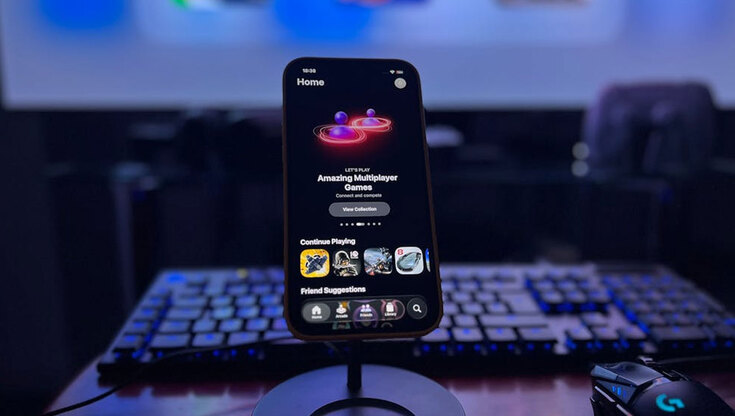
People always look for content that gives them a full, satisfying experience in short bursts, as shown by data from major app shops and social media sites. People today are used to getting several warnings and juggling multiple tasks. They choose rapid, easy enjoyment without a long-term commitment, installation, or learning curve. Casual mobile games, short video sites, and fun that you can watch on your computer have become very popular thanks to the mix of technology and culture. This isn’t a chance trend; it’s based on a design theory that values how well things work for people and technology.
Visual Feedback Loops and Getting People Involved
In entertainment with low commitment, the visual feedback loop is what makes people happy the most. The user can quickly and easily evaluate how well they did in a play session without having to look at intricate scoreboards or a lot of information. You can see this in how hyper-casual games are produced. Bright colors, fun sound effects, and smooth, responsive animations are added to simple tasks like matching blocks, hitting targets, and drawing lines.
High-contrast colors, moving illumination effects, and “bounces” based on physics make even the simplest interactions feel real and gratifying. This visual language is very important since it instantly confirms what the user has done and makes them want to keep going. On video sites, a trending filter, a transition that stands out visually, or a well-timed reaction shot all do the same thing: they show that the content is interesting and successful right away. For global interaction across cultures, this idea of high visuals and low text is essential because visual cues don’t need to be translated.
Games for Fun and Little Adventures
Smartphones let everyone play casual games, so it’s impossible to tell serious from fun online games. This circumstance works well with two-minute, full-interactive micro-experiences. Candy Crush and other hyper-casual runner and puzzle games are built on these small periods. You may take them up and put them down right away without any problems.
4G and 5G networks are everywhere now, so you can receive games and other fun things right away, either by downloading a short, fast software or by using your browser.
Movies and games are no longer limited to consoles. Only phones and tablets are needed now. There are so many options, though, that it could be hard to find a website you can trust where you don’t have to worry about safety or dependability and can just relax and have fun. People like puzzle games, match-three games, and basic arcade-style apps because they provide them with quick gratification and don’t take up a lot of time. In the same way, free slots are a fun and easy method to get involved, which gives you big payouts and a visual thrill that helps you relax. Like games in a web browser, they provide rapid victories and promote brief, fun interactions in a digital realm that is always close by.
Why Digital Innovation Is Important
Digital innovation has always made it easier to both buy and make things. Advanced 3D graphics and smooth animations are standard in even the smallest games since strong mobile hardware is omnipresent. The emergence of Free-to-Play (F2P) and Free-to-Access models has also made it less risky to spend money on new entertainment.
Players can have fun right away and subsequently make money by buying cosmetic upgrades, time-savers, or unnecessary lives with F2P design. Together with algorithm-driven curation, our technique ensures you always get relevant, tailored, and easy-to-read content. Algorithms favor immediate engagement in social media feeds and app store recommendations. This keeps the cycle of short-form, high-visual media consumption going on all platforms.
What are Reward Systems? How Mirror Engagement Works
To keep customers coming back, all good digital entertainment sites, whether they offer video or interactive games, need a rewards system that works well. Daily login bonuses, progress bars, and success badges are all common characteristics of gamification. These simple visuals and statements assist the user in remembering that every second is important to reaching a broader goal.
This frequent reinforcement, along with the immediate visual spectacle of the encounter itself, makes a strong feedback loop. It’s easy to get started since people don’t have to commit much, but the intricate visual and mental reward system keeps them coming back. This kind of content, which is easy to discover and looks attractive, is a huge element of current digital culture.

Login to Geektown