
Calling it a vape kit doesn’t quite do it justice. To a casual user it’s just a device. But to an enthusiast it’s a personal modding rig. It’s a portable piece of tech built for a specific purpose and it demands careful component synergy to hit its peak performance. We don’t just use these kits. We calibrate them tweaking their internal physics and managing power delivery across a digital circuit board that can feel surprisingly sophisticated.
This whole process starts with the Mod itself. That’s the battery housing and most importantly the brain behind it all: the chipset. This central processor dictates everything from safety cut-offs to the precision of your wattage. Chips from makers like Evolv (DNA) or Vaporesso (AXON) are the CPUs of this world. They are the foundation your custom experience is built on. Getting to know this hardware is the first step to mastering it which is crucial when searching for reliable vape kits uk enthusiasts trust for both performance and compliance with local regulations.
The Ohms Law Overclock and Digital Calibration
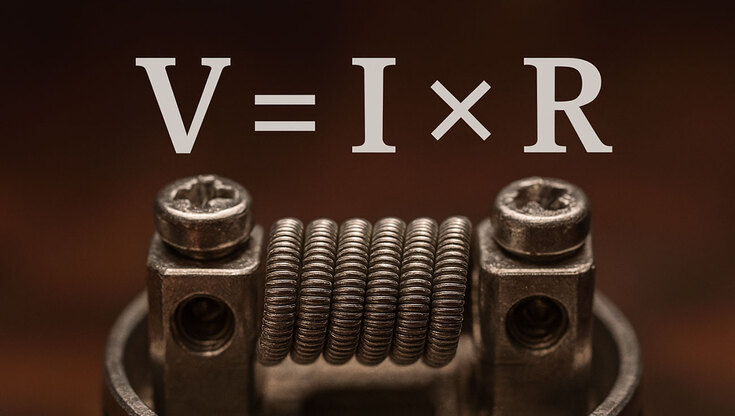
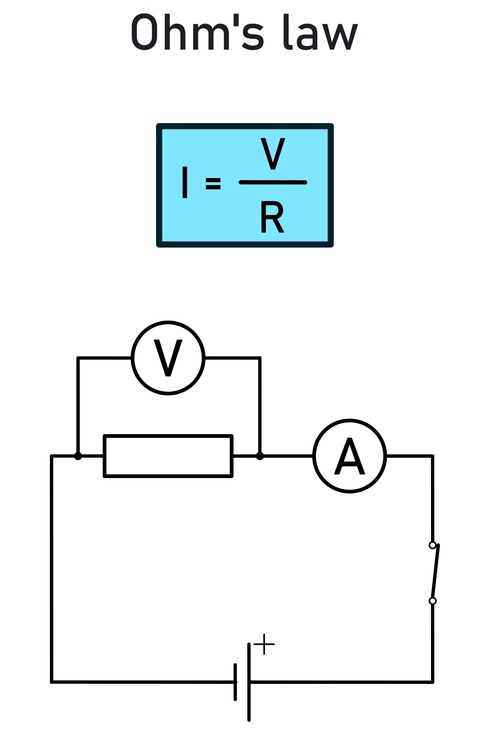
At its heart this is about one thing. Power management. A builder’s job is to make sure the power source can safely and efficiently meet the demands of the load. In vaping that relationship is ruled by Ohms Law. It governs the link between your coil’s resistance (measured in Ohms) and the wattage needed to heat it.
A sub-Ohm coil (below 1.0 Ohm) is a power-hungry component. It demands high wattage to fire quickly drawing more current from the battery. The chipset’s critical role is to manage this demand instantly. It ensures the coil heats evenly without risking a dry hit or stressing the battery. This is the overclocking challenge. You are pushing the hardware to its optimal thermal threshold for the biggest flavour without crossing the line into failure.
Modern chipsets let you manage power down to the tenth of a watt. This lets you fine-tune the experience based on your specific e-liquid and wicking material. Without a high-quality responsive chipset that precision vanishes. The result is inconsistent performance. It is the hardware equivalent of a frustrating frame rate stutter.
Fine-Tuning Your Hit: Firmware-Level Control
Beyond standard variable wattage mode advanced chipsets unlock deeper digital calibration. Take Temperature Control (TC) mode for instance. This isnt just a simple wattage cap. You manually tell the mod the specific resistance curve of your coil wire like Stainless Steel. The chip then actively monitors the coil’s resistance in real-time to infer and control its actual temperature. This stops the coil from ever exceeding the perfect point for vaporization. It gives you a consistency that basic power mode simply cannot match. This is the true firmware-level tuning that enthusiasts chase.
Even in basic power mode many modern boards let you adjust the pre-heat curve. You can configure the power to spike high for a fast start then settle into a lower stable wattage. Manually shaping this power delivery curve is essential for optimization. It is not unlike fine-tuning a CPU for stable peak performance.
The Ecosystem of Component Harmony
Pairing a high-performance Mod with a substandard tank is a classic bottleneck. It is like running a top-tier graphics card with a low-resolution monitor. The synergy between all parts is what makes the magic happen.
The Tank dictates airflow mechanics. How efficiently is vapor produced and cooled? A good tank with adjustable airflow lets you balance air intake with coil heat. This is critical for managing temperature.
The Coil and its material are just as important. Kanthal Stainless Steel and Nichrome all have different ramp-up speeds and they interact differently with the mod’s Temperature Control mode. A TC-capable chipset is vital for anyone who wants a consistent flavour from the first puff to the last. This is a sophisticated form of active thermal regulation.
The Console vs PC Gaming Divide
The vaping hardware world has a clear split. It is the age-old debate between convenience and mastery. Think of it as the console versus PC gaming divide.
Most newcomers start with pre-built stock coils. This is the console experience. It is plug-and-play reliable and requires zero technical skill. It is excellent for immediate performance but your customizability and performance ceiling are fixed by the manufacturer.
The true tech enthusiast gravitates toward Rebuildable Atomizers (RDAs and RTAs). These are the custom-loop liquid cooling rigs of our world. They demand specialized tools like wire and cotton and a working knowledge of Ohms Law. You must manually wrap the coil install it and wick the cotton yourself. This process is known as building.
This commitment pays off with two huge advantages. Superior performance and absolute control. By ditching mass-produced limits a builder can fine-tune the coil’s size resistance and surface area to match their exact wattage preference. It is an act of deep customisation. The user takes full responsibility for the device’s thermal dynamics and performance. Just like a PC gamer accepts higher maintenance for better graphics and frame rates a builder accepts wicking and wrapping for unparalleled flavour and efficiency.
The Path of Mastery
The RDA is the purest form of this technical mastery. It has no reservoir so you must manually drip liquid onto the cotton between uses. That might sound inconvenient but it is the control loop the enthusiast craves. It delivers maximum flavour clarity through constant attentive interaction with the hardware. It is the ultimate commitment to the personalised rig.
This entire journey demands the same focus on specs and compatibility that any tech enthusiast applies to their gaming PC. The goal is not just to produce vapour. It is to build and maintain a sophisticated portable system optimized for a highly customised output. This technical mastery and endless refinement are what turn a simple product into a personal piece of high-performance gear.

Login to Geektown